Animating the Deer Sitting
Drawing the Animation Frame Outlines
Firstly, I tried searching for some suitable references I could use but I couldn’t find any videos or animation examples of a deer or similar animal sitting. Therefore, I decided to just use my imagination and existing knowledge to draw the frame outlines.
I made the canvas resolution according to the ‘deer walking’ animation’s resolution: 375 x 375.
I used the first frame from the deer walking frames as the last frame in this animation sequence. Then, I downloaded the image of the deer sitting from Shannon’s blog as a guide for drawing the first frame. Afterwards, I proceeded to draw the rest of the frames in between whilst using the first and last frames as guidance – the frames in between had to create a smooth transition from the first frame to the last frame.
Shown below are the frame outlines and the resulting GIF. I chose the animation speed to be at 11 fps – the same fps as the walking animations.
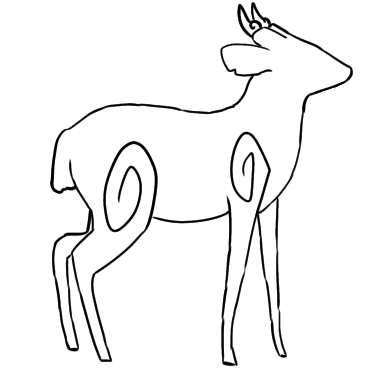
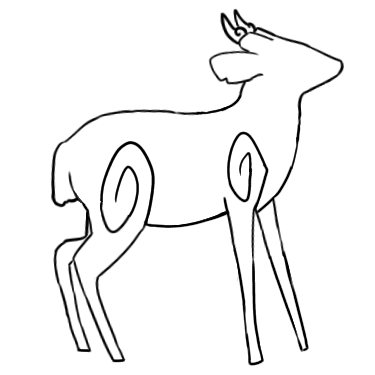
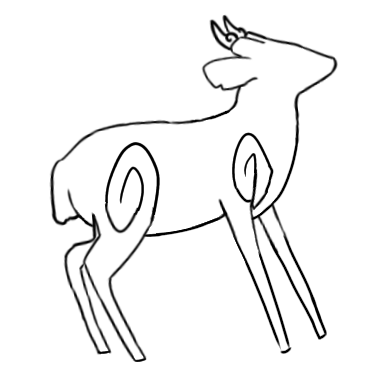
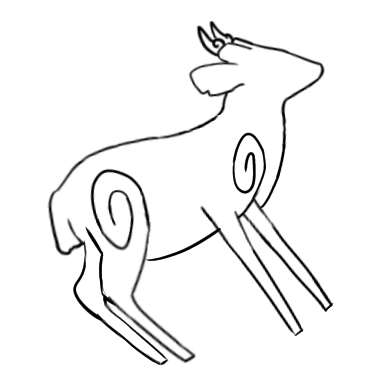
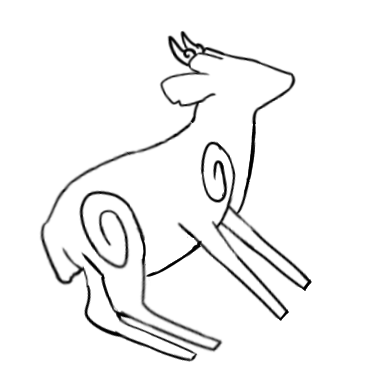
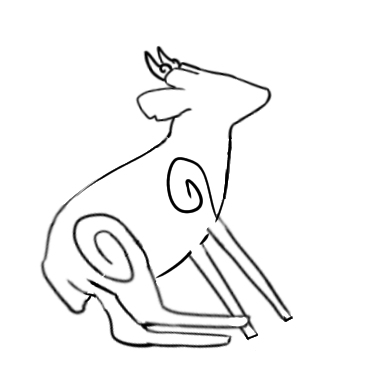
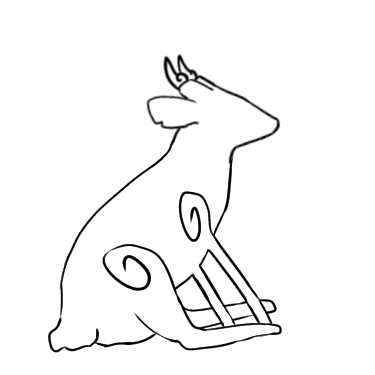
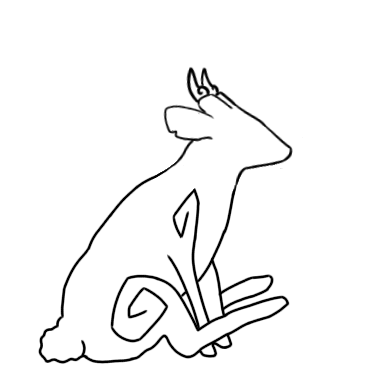

I found that the animation seemed to be moving by too fast for me to see whether the transition into the sitting was smooth enough. Therefore, I decided to repeat the last frame five times to ensure that the animation allows the deer to remain sitting for longer before repeating itself.
Shown below is the new GIF.

Drawing the Coloured Frames
Next, I proceeded onto drawing out the final coloured frames.
Shown below are the frames in their animation sequence order and the resulting GIF.
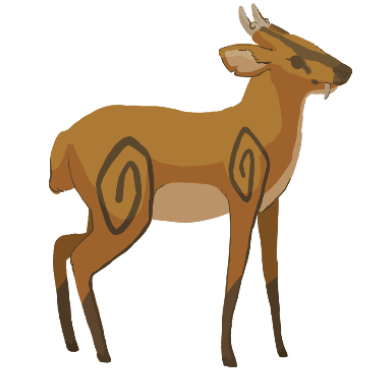
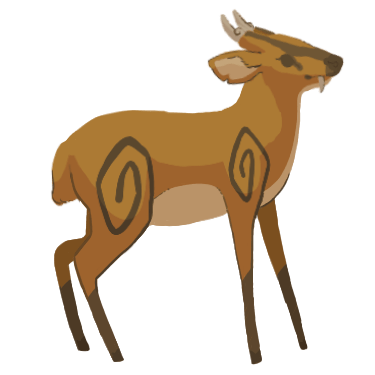
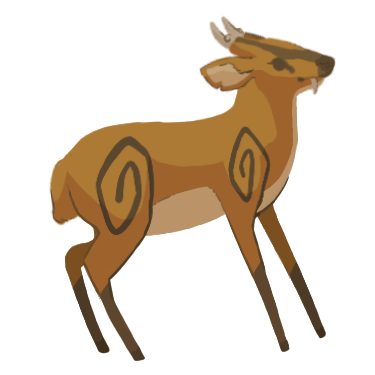
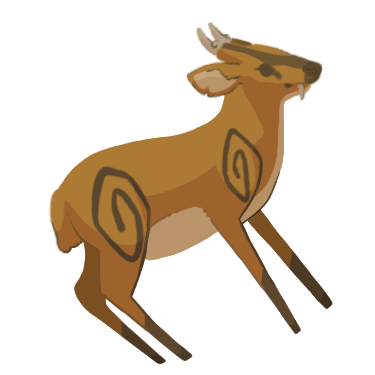
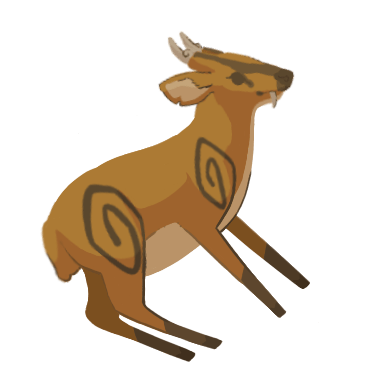
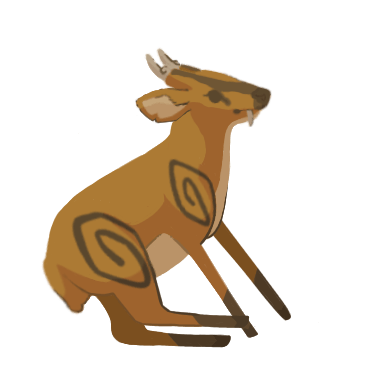
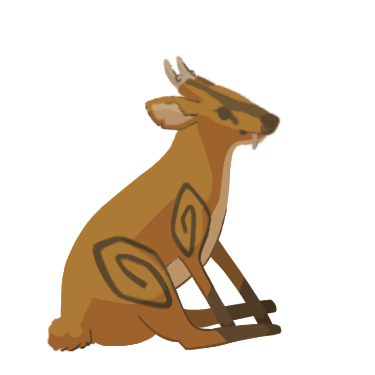
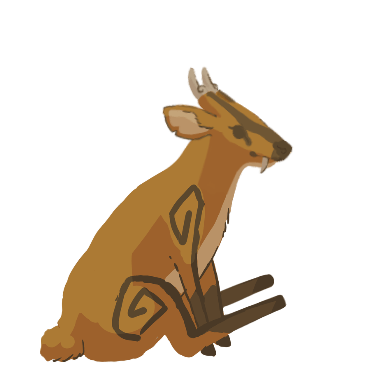
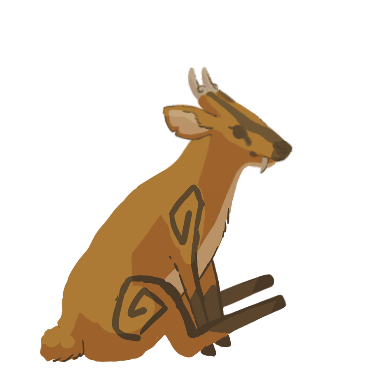
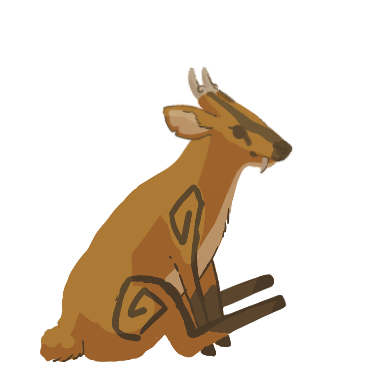

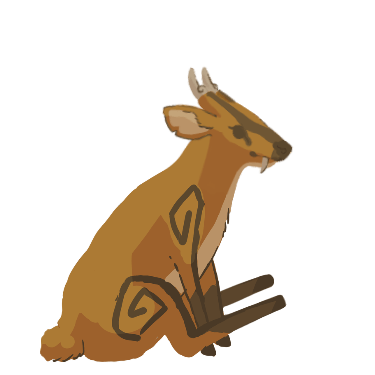
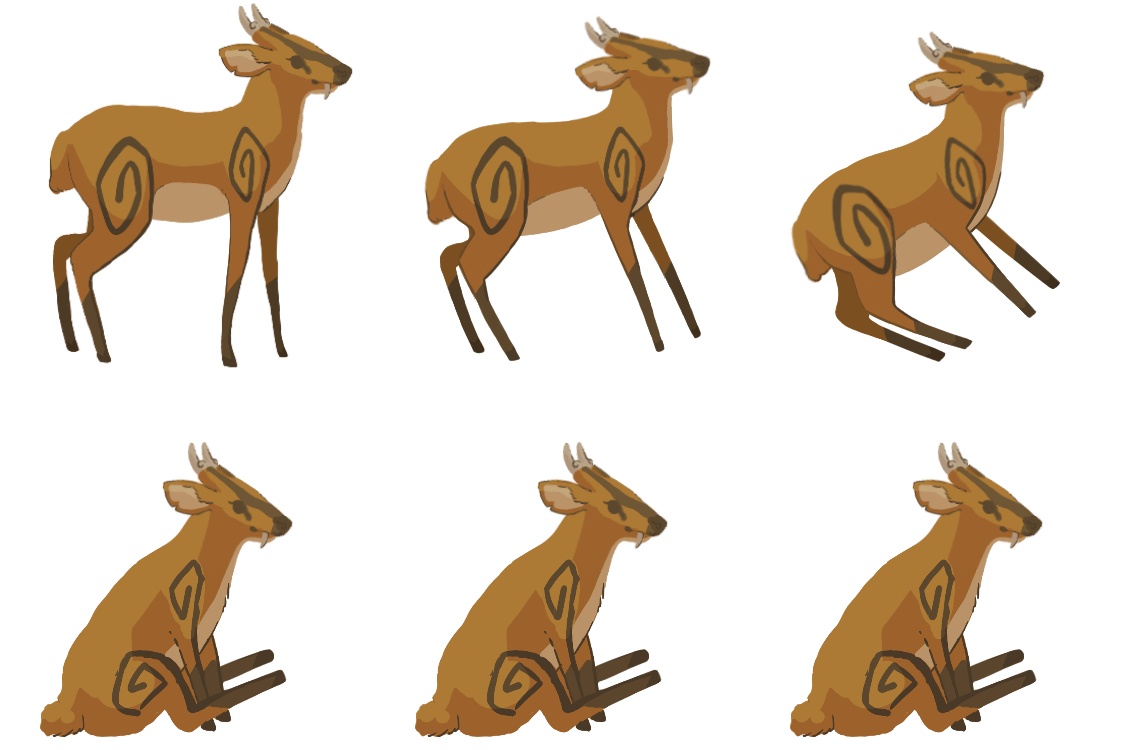
After sending the GIF in Slack, it was well-received for the most part. Bernardo said the front legs looked a bit stiff. He also told me that the front legs seem to shrink partway through the animation and asked if I could fix that. I told him that I would work to solve both issues.
I decided to first solve the ‘shortening legs’ issue by redrawing certain frames so that the leg’s do not drastically change lengths.
Next, I began solving the ‘stiff legs’ issue by redrawing certain frames to make it so that the front legs bend a bit as the deer falls to a sitting position.
Shown below are the newly altered frames in their animation sequence order and the resulting GIF.
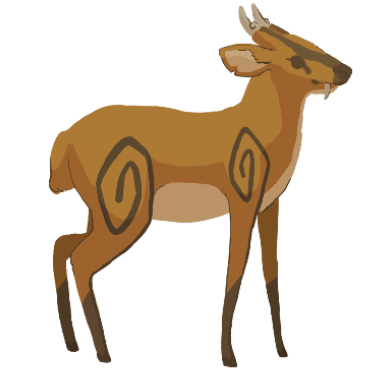
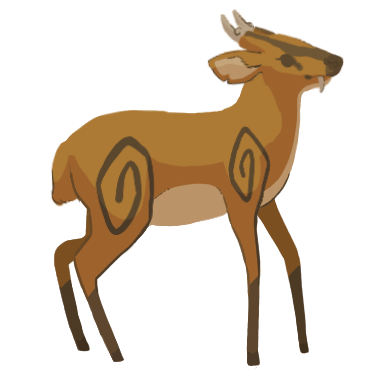
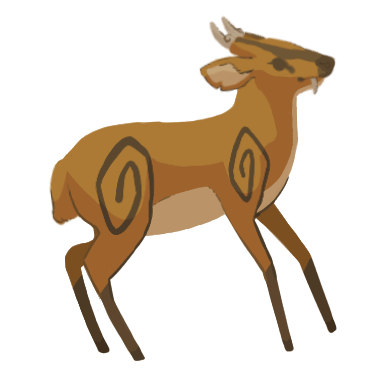
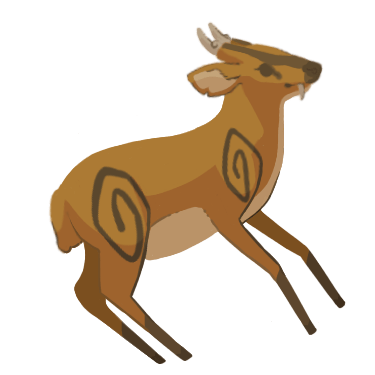
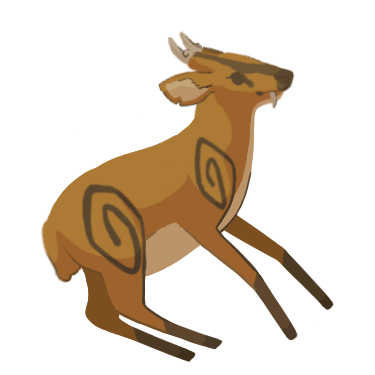
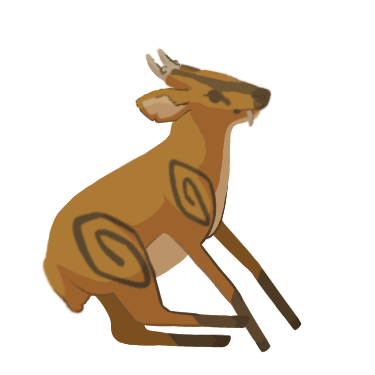
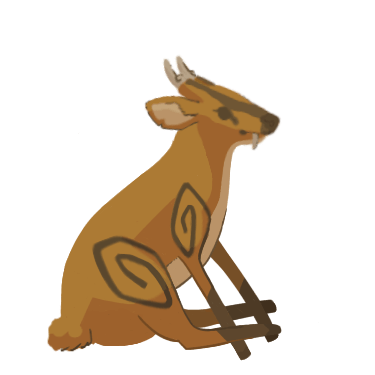
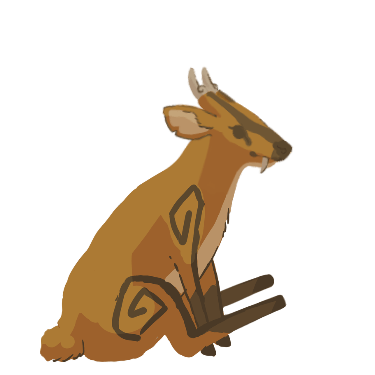
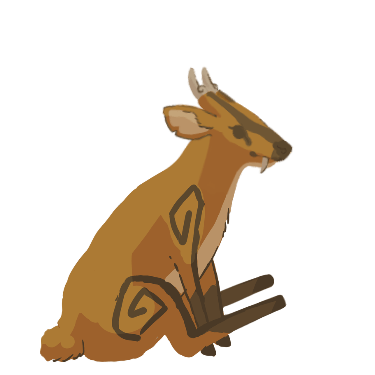
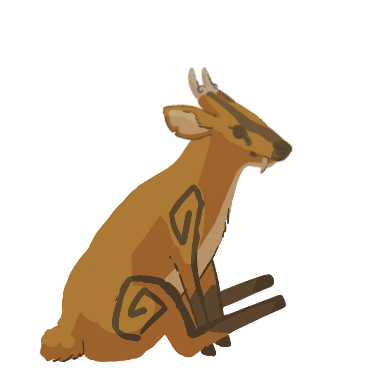
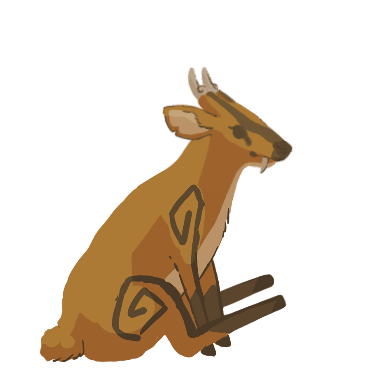
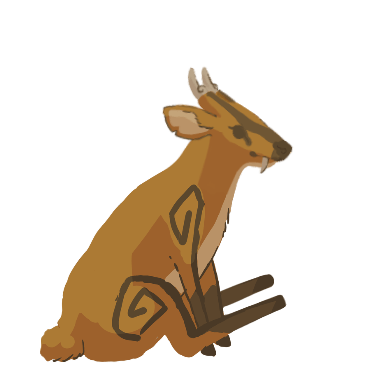

After sending the new GIF in Slack, it was well-received.
Animating the Deer Getting Up
Drawing the Animation Frame Outlines
I also kept the canvas resolution 375 x 375 when making the deer’s getting up animation. Firstly, I used the first frame from the sitting animation as the last frame in this animation. I also used the last frame from the sitting animation as the first frame in this animation. Then, whilst using the two existing frames as guidance, I began drawing the frames in between.
Shown below are the frame outlines and the resulting GIF. I chose a speed of 10 fps as 11 fps appeared to be slightly too fast.
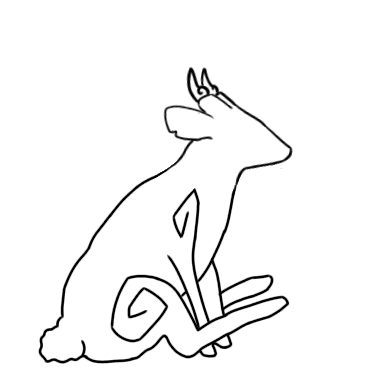
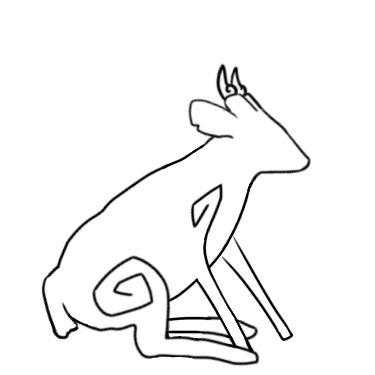
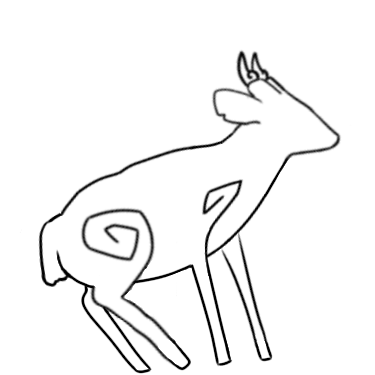
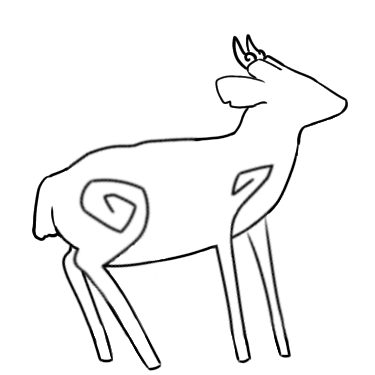
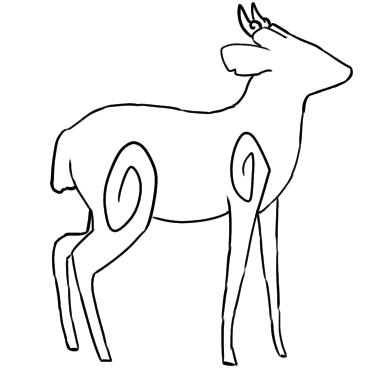

Once again, I encountered the issue where the GIF appears to be going by too fast for me to see if the movements are smooth enough between the first and last frame. There needed to be more time dedicated to showing the deer standing before the animation loops again. Thus, I decided to repeat the last frame five times (just as I had done in the sitting animation) to ensure that the animation allows the deer to remain standing for longer before repeating itself.
Shown below is the new GIF.

I saw no further issues with the animation so I moved onto drawing out the final frames.
Drawing the Coloured Frames
I proceeded onto drawing out the final coloured frames.
Shown below are the frames in their animation sequence order and the resulting GIF.
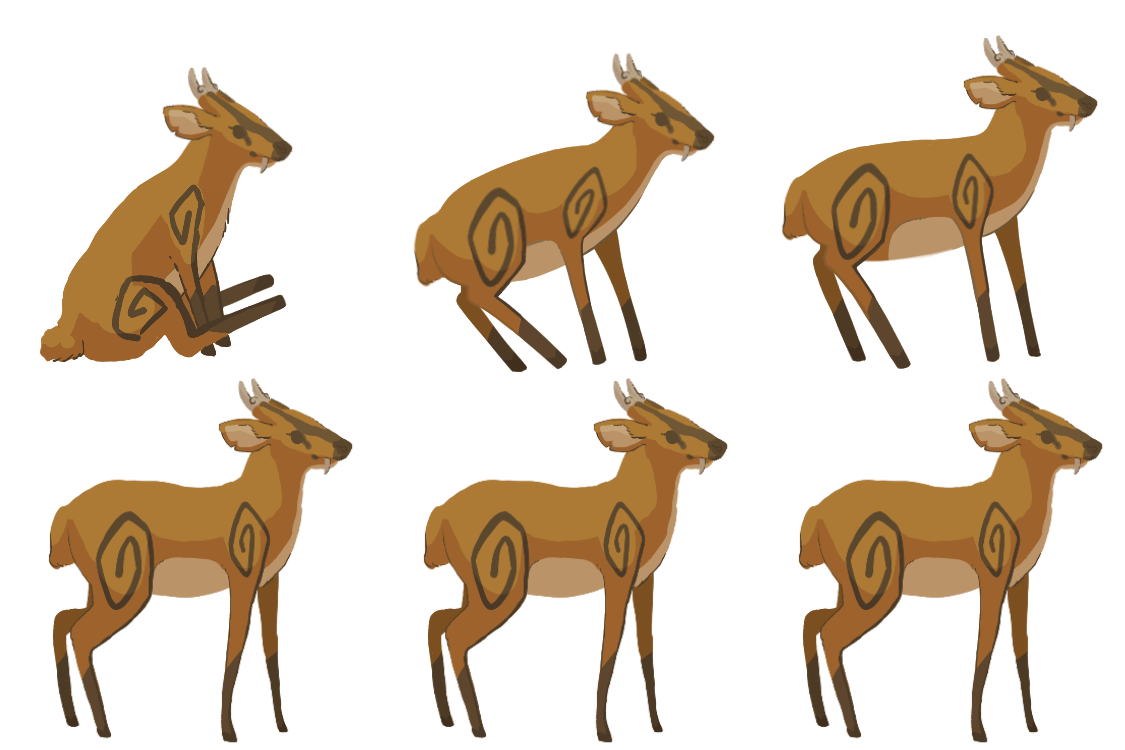
After observing the animation, I found that it still seemed to be moving too quickly between actions. To remedy this, I tried to make the animation show the deer sitting for longer by repeating the first frame three times.
Shown below is the new GIF.

After sending the GIF in Slack, it was well-received.
 Eden: A Muntjac's Tale
Leave a comment