Task 2.1 – Puzzles

After the Project Budget Lecture, Sharna, Natasza and I were told by Bernardo to meet up and discuss our tasks together. During the meeting, I proposed that we begin by deciding the puzzles as they would shape the narrative and environment design.

Firstly, I explained the results from my previous discussion about puzzles to Sharna and Natasza. The results are listed below.

Results from previous discussion on puzzles:
Have five main quests – these are either necessary to complete the level or important to the game
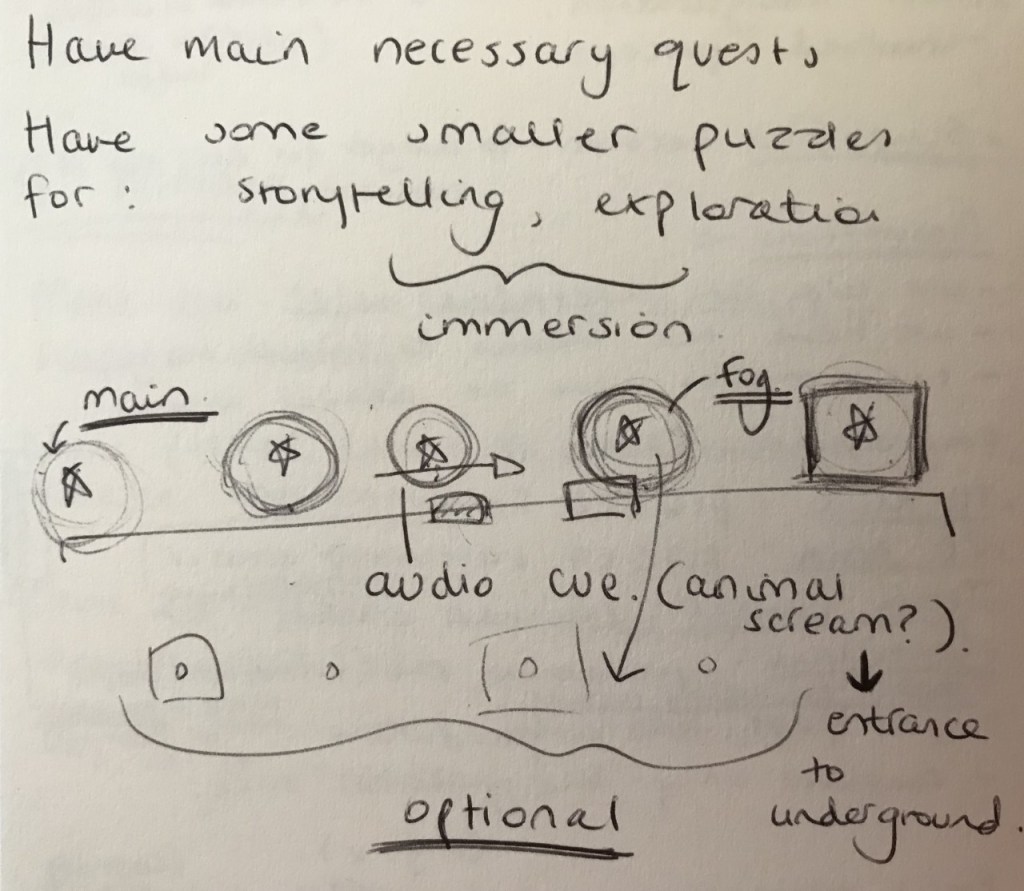
Have additional smaller quests that are optional – these will provide narrative and give the player incentive to explore the environment – these will increase immersion

To begin with, I drew a quick diagram to demonstrate the order the quests should appear in. The diagram is shown below.
Next, I explained that these were the main quests so far:

Flies Quest:
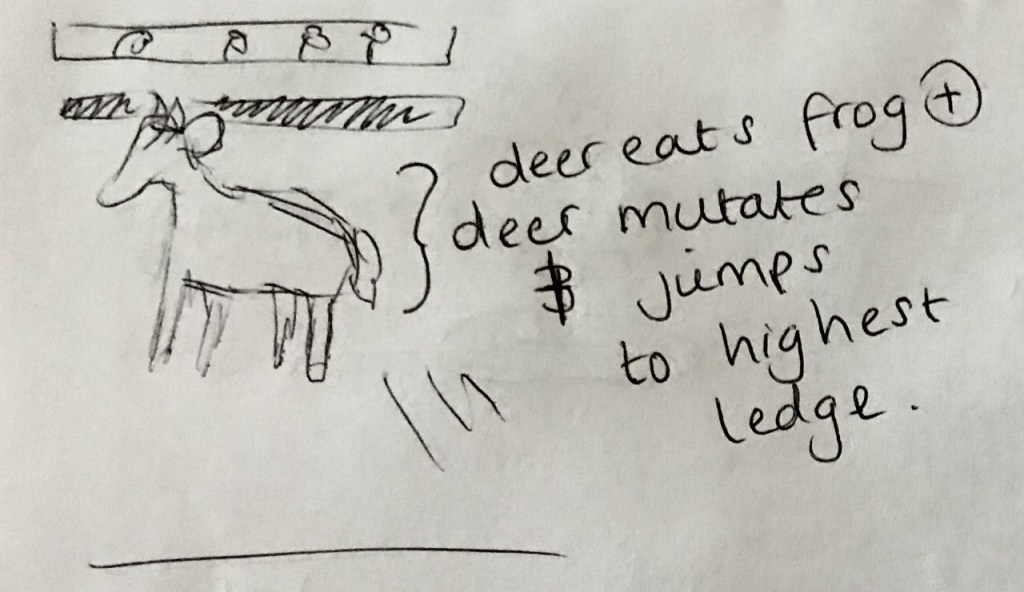
The frog asks you to get it some flies so that it can help you reach the highest ledge – this is the entrance to the next level
The player must find the spider and talk to it – it will ask for a flower from the sakura tree it resides on – it is too scared to leave its web
The player must ram the tree and a sakura will fall onto the web whilst another sakura falls to the ground – the player can pick this up to use in another quest
The spider gives the player some flies
The player returns to the frog to give it the flies

Hidden Area Quest (optional):
There are fallen trees off to the side of the path
The deer can eat the bark to find a burrow underneath
They can enter the burrow to discover an area beneath the path
In the area is a turtle shell
The player can pick the turtle shell up – this will unlock the option to kill the frog if used as a stepping stone to reach the frog or it can be used in another quest

Snake Quest:
Snake is blocking the path – prevents player from progressing – the tiger destroyed its home so it is sleeping here
A skunk is hiding nearby due to the tiger chasing it (can show this through footprints) – the player must scare the skunk so that its smell can lure the snake away from the path
The player must go to the waterfall and enter the water so that they’re covered in seaweed – this makes the deer look mutated – like they have stripes – similar to the tiger
The player must then bark at the skunk – this scares the skunk and the snake is lured away – the skunk sees the deer and is reminded of the tiger – the player can now progress

Plant Quest:
The frog will pretend to think that the player meant the lower ledge after it gets the flies – it will then ask the player to fetch it an item – a special, one-of-a-kind flower
The player must travel to the mountains – there they will see the flower on the side of a mountain – it is unreachable
The player must then combine the sakura they have with other items in order to replicate that flower to fool the frog
The player will then return to the frog and give it the fake flower
The frog helps the player reach the highest ledge and the player gains the frog as a friend – the player moves onto the next level

To start with, I suggested that we come up with a fifth main quest and complete the details for how the plant quest should be accomplished.

The Fifth Main Quest

We decided that it was best for the fifth main quest to diverge from the other main quests in terms of game options – we already had quests involving animals, obstacles and fetching – we wanted something a bit different for the fifth main quest. During this discussion, we began talking about the environment layout and how the player could access the underground area. We theorised about making the entrance known to the player through an audio cue – when the player walks over the entrance, an animal’s whimper would play. The player would then just need to interact with the area to find it. However, this was dismissed as being too simple.

As an alternative, we discussed making the underground entrance another hidden area but we wished to make it differentiate from the hidden area quest. As a result, we decided to make it a part of the fifth main quest. We also talked about what the entrance would look like as I didn’t want it to just be another hole like the burrow. In the end, we chose to make the entrance a large plant that, when stepped on, will tilt into a slide that takes the player to the underground area.

In order to make the entrance to the underworld hidden, we chose to use the weather instead of a physical obstacle. The concept of using fog was picked as a good method of masking the entrance. To get rid of the fog, the player would need an item of some sort. We decided upon a special wind plant that blows wind – since a lot of the main quests involve animals, we chose to use a plant instead.

Then came the issue with how the plant is obtained. I suggested that it be a withering, famished plant that requires sustenance in order to follow the player – it would be a sentient, walking plant. Berries were chosen as the food item the plant needs – they would be found on a bush. The player would then need the plant to follow them – we decided upon the concept of using sound – the plant would be blind. The player would need to hit objects for it to follow them. However, this meant that a mechanic that allows for this would need to be implemented into the game and we would need to decide what objects can be hit. As an alternative, we decided that the player could just use the bark function to lure the plant.

Next, we needed to solve the issue of how the player could command the plant to blow wind. I proposed that we just have the wind plant blow continuously or periodically after it is fed and rejuvenated. This way, there would be no need to worry about possibly requiring additional mechanics.


Completing the Plant Quest

The details that needed completing were the items required for making the sakura into the special flower. We decided that two items was a good number for making it complex enough to be engaging without making the quest too convoluted. We wished for the two items to do different things to the sakura to make the quest more interesting – this meant that two different things needed to be changed on the sakura. In the end, we chose colour and shape as the things that needed changing.

As a rough idea, I made the special flower a purple flower with three petals and spikes protruding out from the areas between the petals.

This meant that the sakura needed:
One petal removed – when the deer interacts with the flower, it will bite a petal off
To be turned purple
Three spikes attached

Whilst the first change could be accomplished simply, the other two changes required items of some sort.
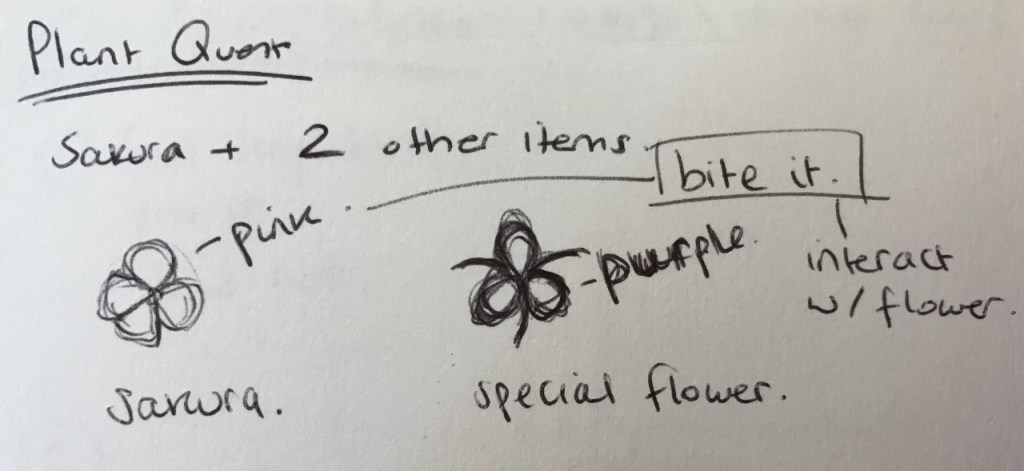
Turning purple – to turn the pink sakura purple, we needed a blue substance. Two ideas were proposed for this dilemma – a blue food or blue saliva/spit. The latter was chosen as it was more interesting and allowed for a more unique quest. Next, we needed a creature or plant that spits blue saliva. The idea of a swamp creature that is never fully seen came up as a possibility. It could spit whenever the player walks by – the player wouldn’t know why until this mission is activated. The player would need to place the flower by the swamp and walk past to trigger the spitting.

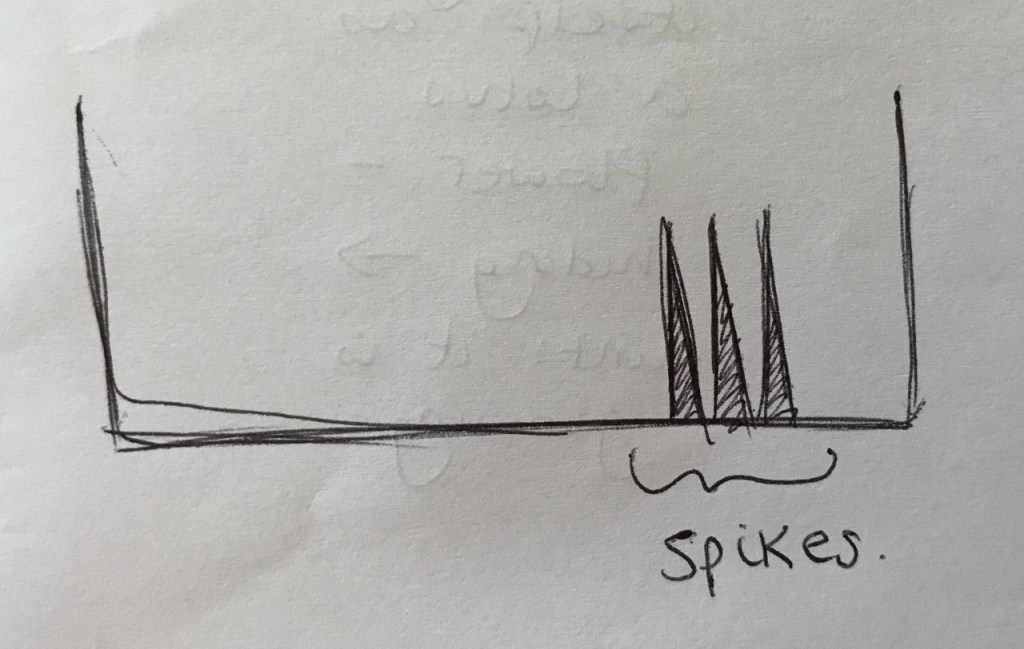
Getting three spikes – we decided to make the spikes be underground as not many of the quests so far require the player to travel underground. I proposed that the spikes be protruding from the ground – when the player is in the midst of taking one, the area will begin to crumble and break – the deer will then automatically place the spike back and let go. The player would need to replace the spikes with something else – these items need to be of a similar shape. We discussed ideas for what the items could be and ended up choosing to use sticks. However, we wanted the sticks to be harder to find than just picking them off of the ground or ramming a tree. As a result, we chose to use eroded sticks from the waterfall. Normal sticks would be found near the spikes to act as red herrings.


The Four Smaller Optional Quests

Next, we discussed how many smaller quests there should be and what one would obtain from doing them. We decided upon having four smaller quests as it would make the total amount of quests nine – enough to make the gameplay feel saturated without overloading the game with quests. Written below are the details for how the four smaller quests came to be and what they are. In regards to what the player gains from completing these quests, we discussed making the rewards non-materialistic as the main quests already offered many items. We couldn’t make the optional quests give items that were necessary to the level’s completion so it didn’t seem to make much sense to offer players items that had little importance. In the end, we made the smaller quests offer elements of narrative whilst the end rewards would range from visual sequences to musical tunes.

Bird Quest

We decided that the smaller quests should be simple but engaging enough to entice players. They should also differ from the main quests in terms of tasks. For the first one, we wanted to include a quest that involved the player helping background animals in order to get them attached to the world and its inhabitants – this would also serve as a deterrent for killing the frog.

In the end, a baby bird was chosen as the helpless animal as the deer could gain it as a temporary companion by having the bird on its back. In order to keep things simple, we made the quest merely consist of bringing the baby bird back to its mother.

Rhino Quest

Next, we decided to make a puzzle that offered a non-visual reward for a sense of variety. The notion of offering the player a reward in the form of music was suggested – this concept appealed to us as it would create another layer of beauty within the game to accompany the visuals. Thus, we began brainstorming ways of incorporating such a notion into a puzzle. We ended up deciding to have special plants that could be used as musical instruments if hit/headbutted.

Firstly, we needed to decide on a reason for why the player would need to make music. I suggested that an animal could be trying to play a song for the funeral of a dear friend – a bird. The song could be a homage to the late bird’s favourite tune. The animal could require the deer’s help because it keeps accidentally destroying the special plants by headbutting them too harshly.
This meant that the animal needed to be one known for their strength or strong head – as a placeholder, we chose a rhino. The player would merely show the rhino how to gently headbutt the plants through demonstration – the player has to play the tune correctly (the tune will be occasionally played throughout the game). Then, a musical sequence will ensue.

Crystal Cave Quest

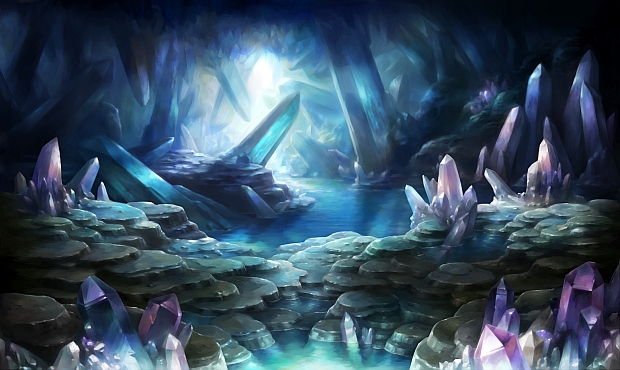
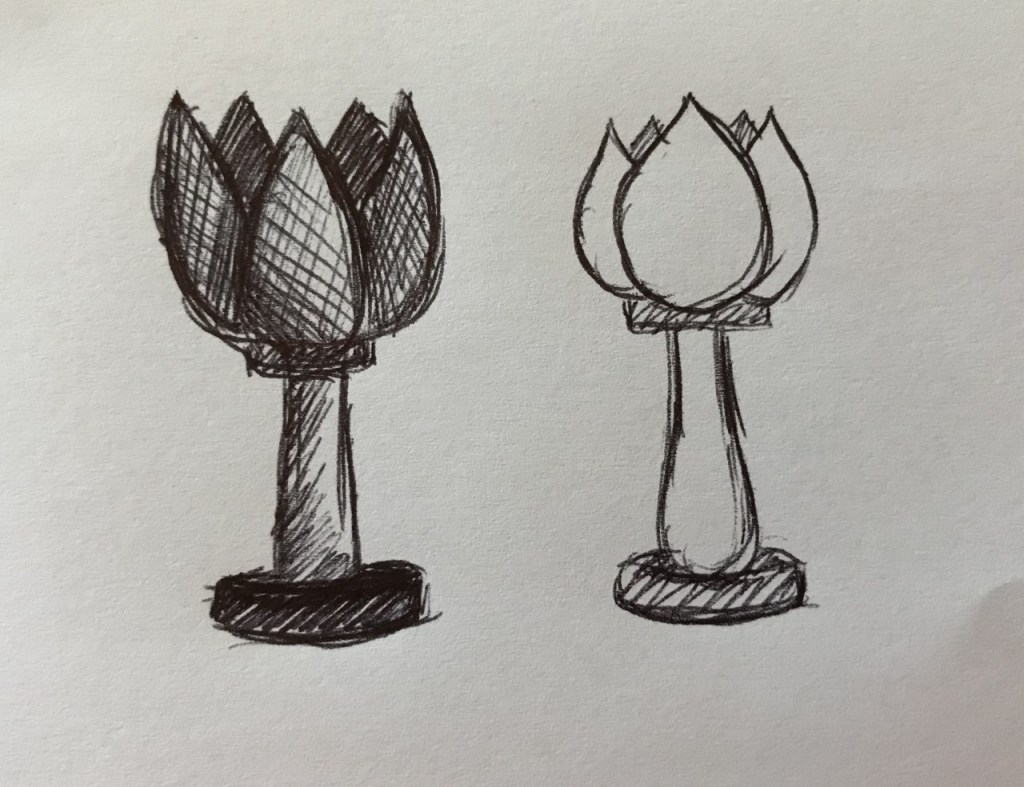
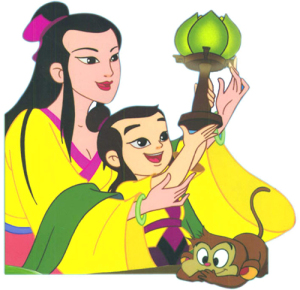
After some discussion, we decided to opt for a quest that offered the player aesthetically pleasing visuals as a reward. I suggested that we have a quest that lights up dim crystals, which would lead to a beautiful animation of the crystals reclaiming their glow. I also suggested that we have a lotus lantern (inspired by the movie ‘Lotus Lantern’) as the item that would light up the crystals – the lantern would contain glow flies.

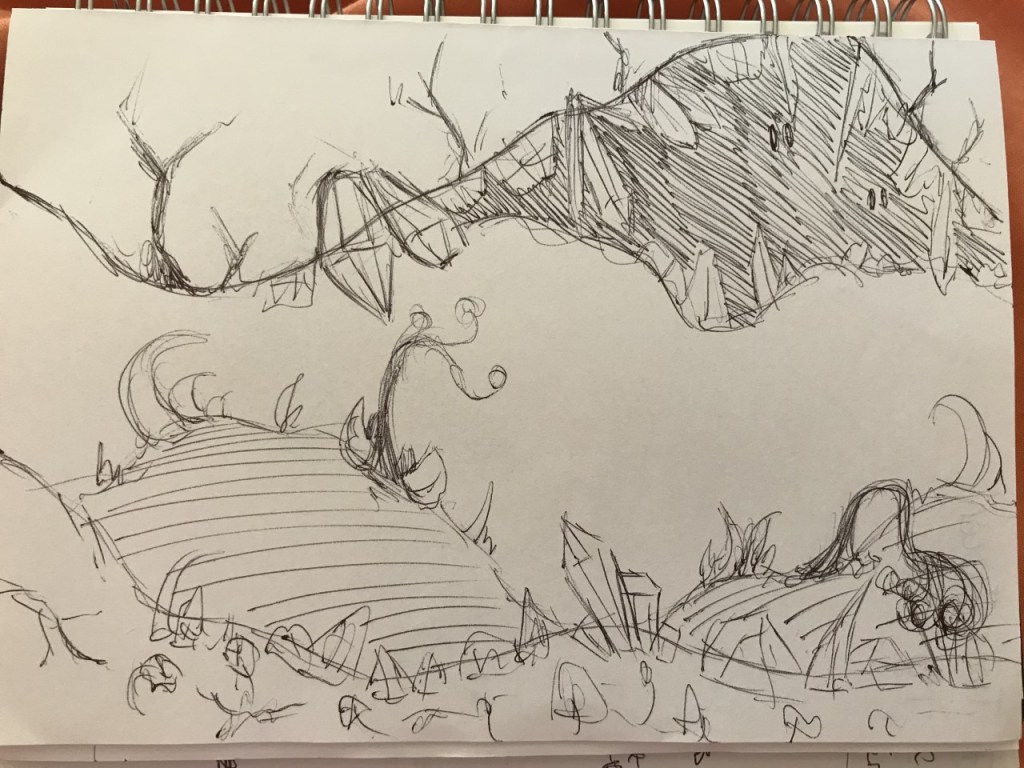
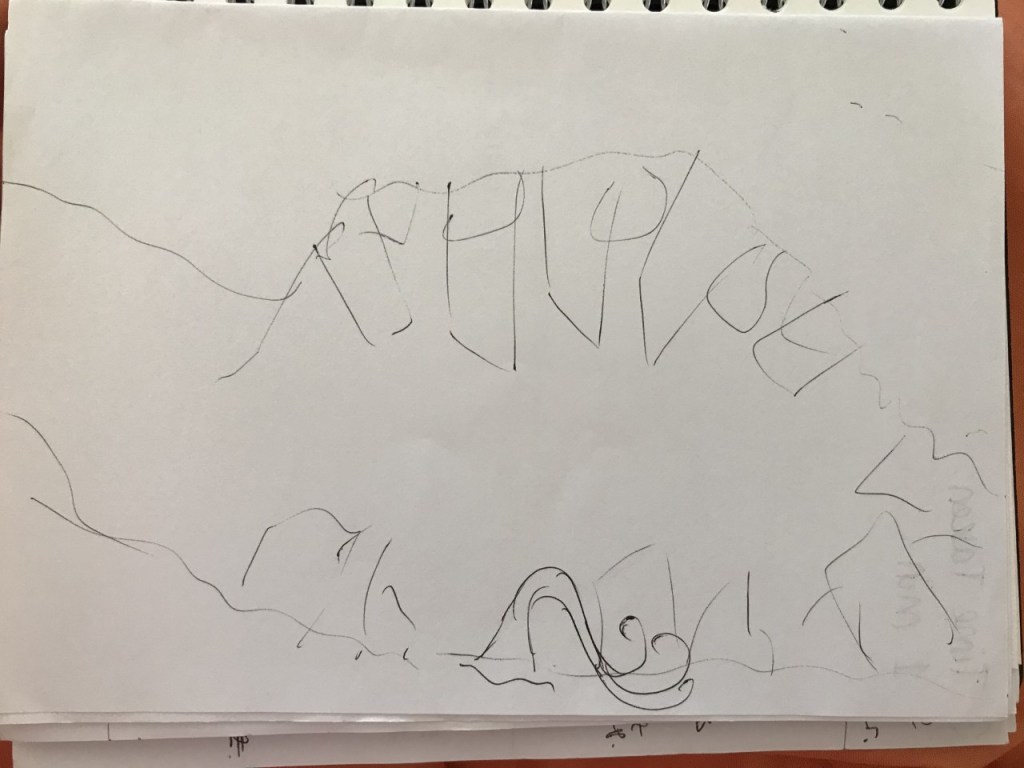
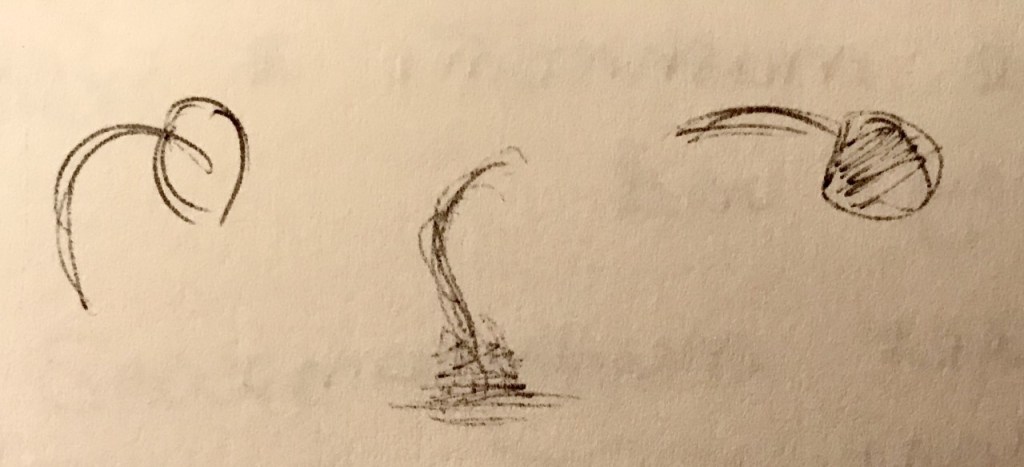
Shown below is are two sketches of the lotus lantern – the first one was drawn without a reference whilst the second one was drawn using the image beside it as a reference. The image is from the movie ‘Lotus Lantern’, which features a lotus-shaped lantern that glows using glowflies as its source of light.
We wanted this quest to be very simple so it merely consists of the player discovering the cave, finding the lotus lantern and placing it in the cave.

Mushroom Quest

Finally, we wanted a quest that differed from the rest and ended up deciding to create a passive quest that the player could gradually complete throughout the game. We chose to make the quest a ‘collecting quest’, where six special mushrooms will be hidden throughout the game for the player to obtain. These can be planted into the empty plot of land that lies underground – this will eventually become a mushroom farm that feeds smaller animals. We then had to decide on the amount of mushrooms the player had to replant to complete the quest. We wanted it to be a number large enough to make the quest be a passive one the player could slowly complete throughout the game, but not so large that it made the quest hard to complete. We finally decided on 6 mushrooms.
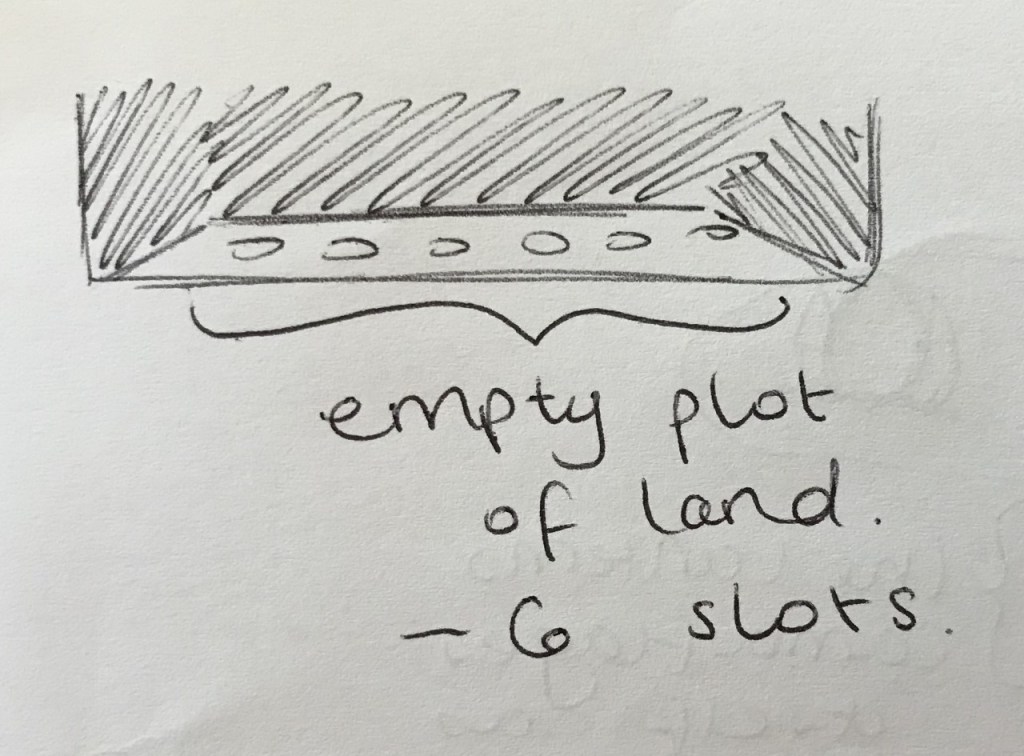
However, we needed a reason behind the mushroom farm’s creation. After some discussion, we decided that there exists a mushroom farm above ground that has been taken over by mutated carnivores – they have mutated to desire mushrooms. This meant that smaller animals were devoid of a food source. The player can then create a new mushroom farm for them underground, where the entrance is small enough to prevent the mutated carnivores from entering.

We struggled to come up with a sufficient reward for such a quest but eventually opted to keep it simple – as the mushrooms are planted, small animals will flock to the farm. When all the mushrooms are planted, there will be an animation of various small animals enjoying the mushrooms happily.
Task 4.1 – Design Crystal Cave

Crystal Cave Moodboard: https://www.pinterest.co.uk/NoOneIsHereYet/eden-game-crystal-cave/

Firstly, I began the task by making a moodboard specifically for the crystal cave for inspiration. I began by searching for crystal caves and art of crystal caves. I ended up mostly collecting pins of digital artworks of both crystal caves and caves in general. I looked at different art styles, cave shapes/designs and colour schemes. Next, I searched for crystals so that I could also collate references for crystals. I researched different types of crystals – in both shape and formation – as well as varying colour schemes and art styles.

Additionally, I also decided to search for different tutorials on how one can digitally paint various environmental elements, e.g. rocks, grass, etc. and saved some to the moodboard.

Crystal Cave

Crystal Cave Entrance

Crystal Cave Entrance Level

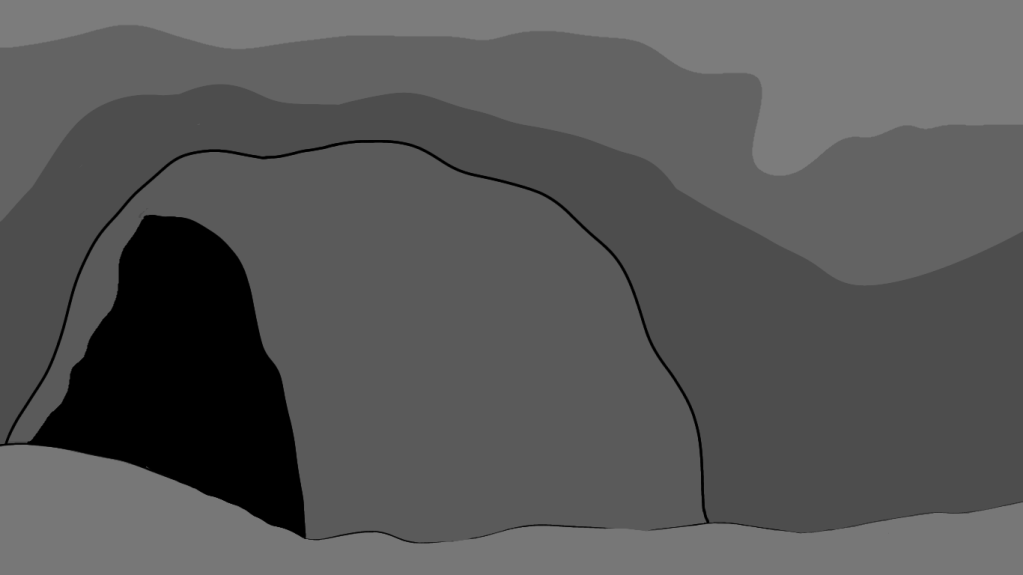
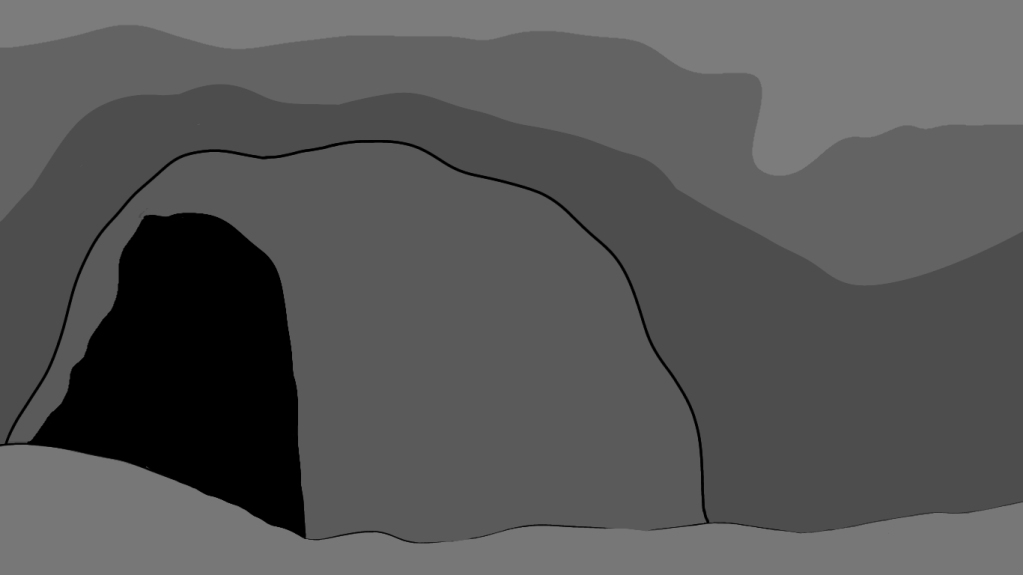
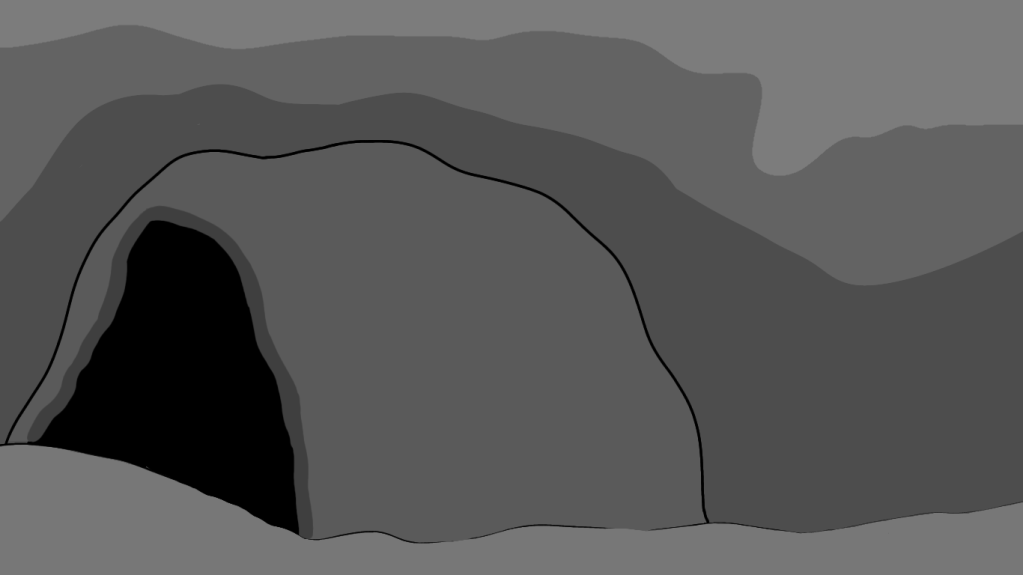
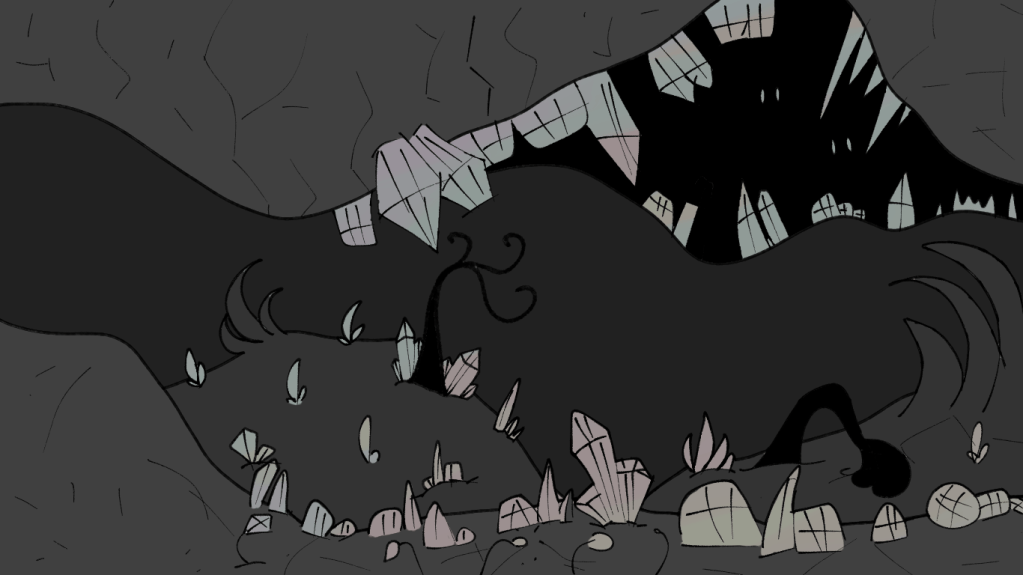
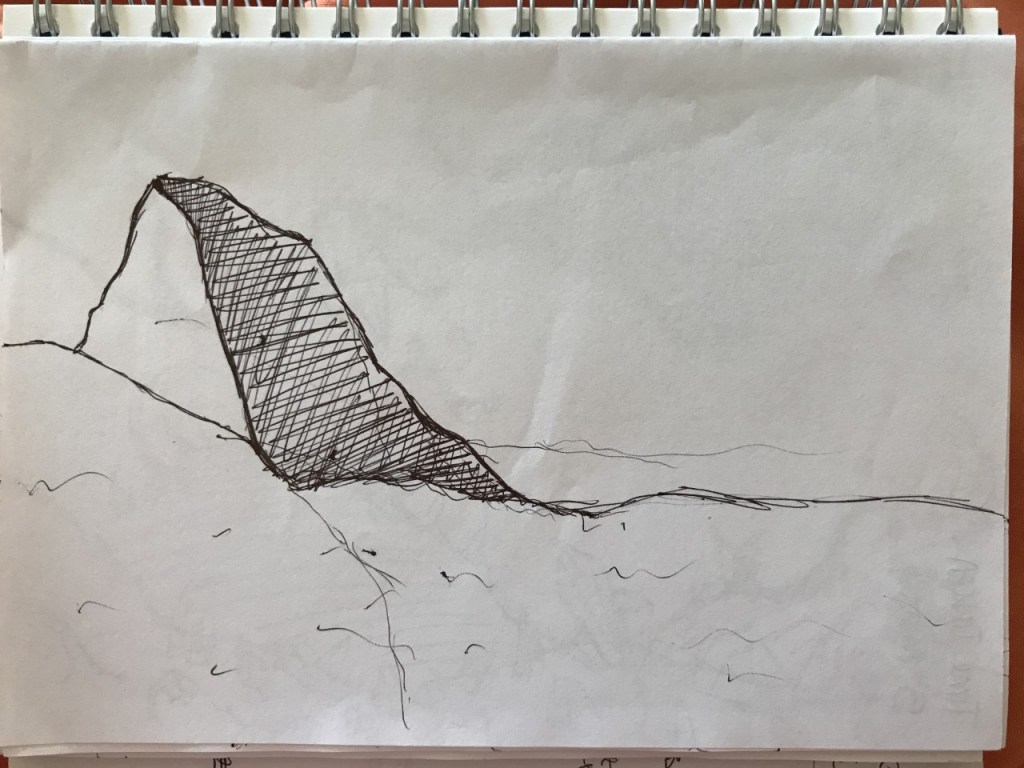
I decided to start the design process by thinking about the cave entrance. Initially, the crystal cave was supposed to be an above-ground cave and thus, I had roughly drawn a design for the cave entrance. Shown below is the design.

Above-Ground Cave

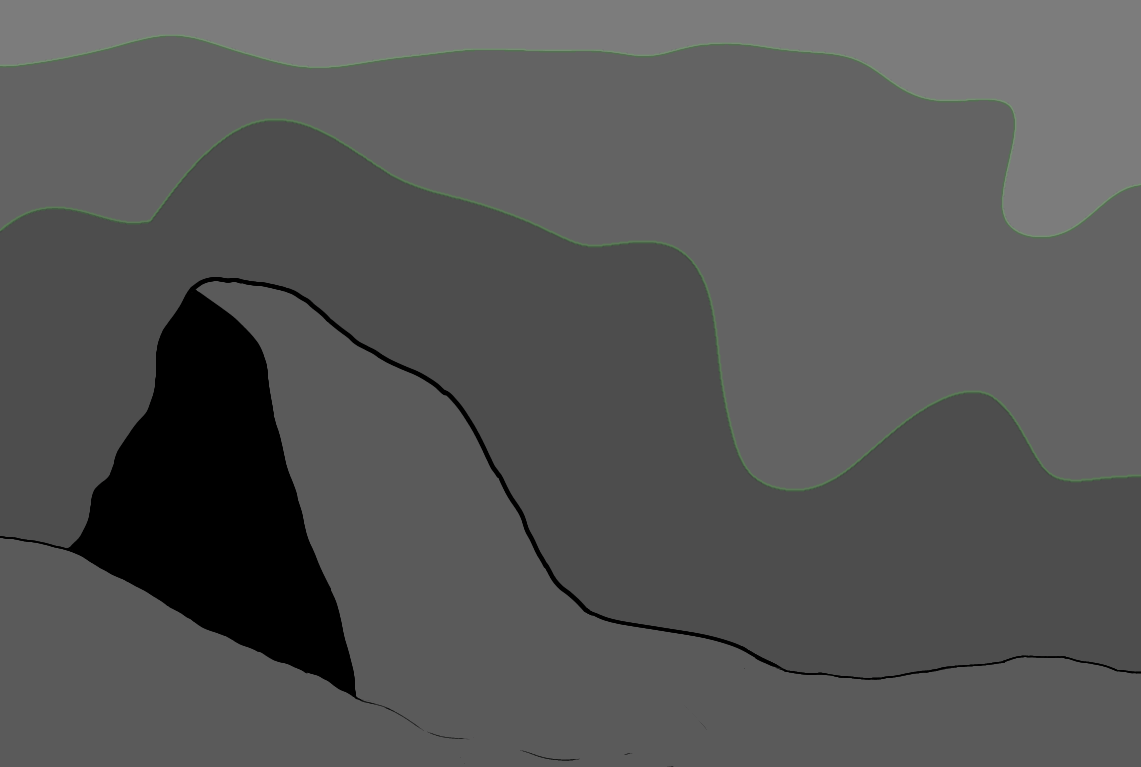
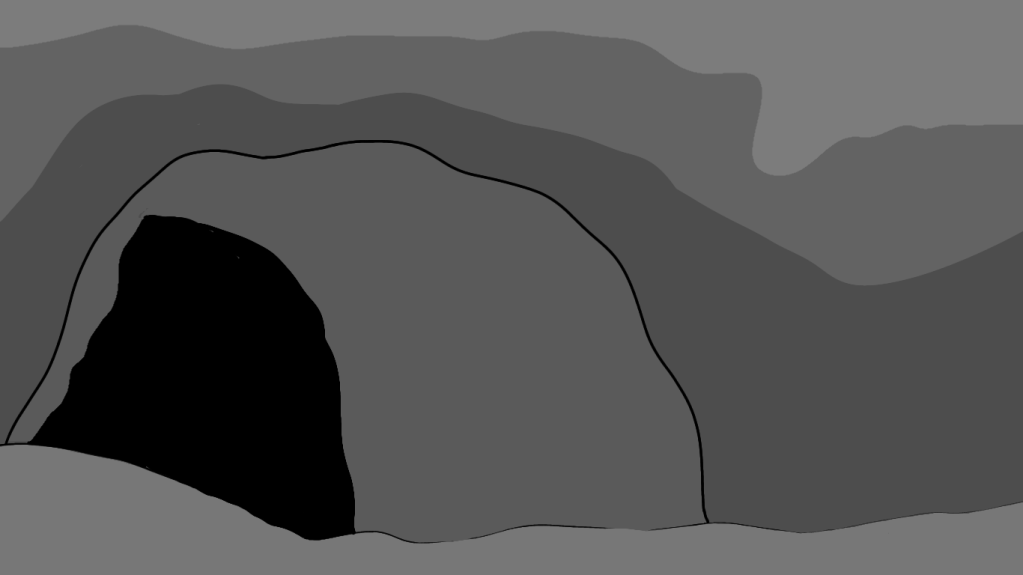
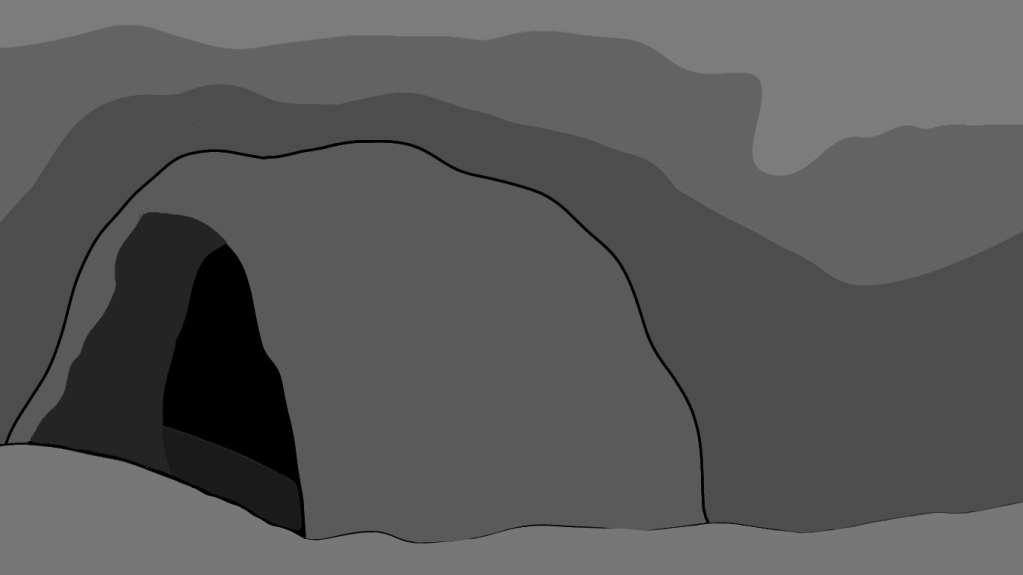
However, after the first scope reduction, we had decided to change the crystal cave into an underground cave to make the environment more dynamic since the underground area was discarded. Therefore, I needed to change the cave entrance design so that it was at a slant – it should lead downwards.

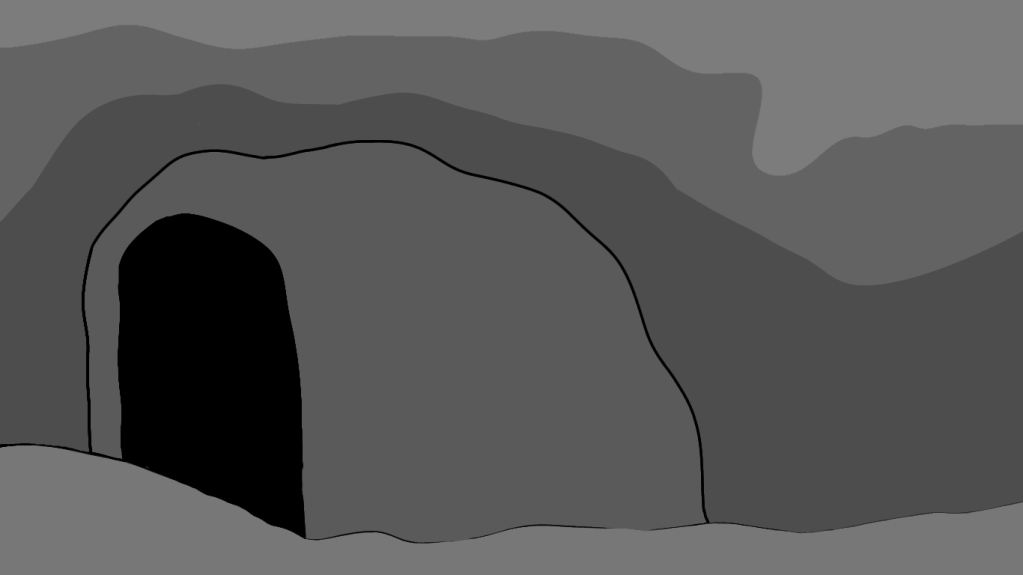
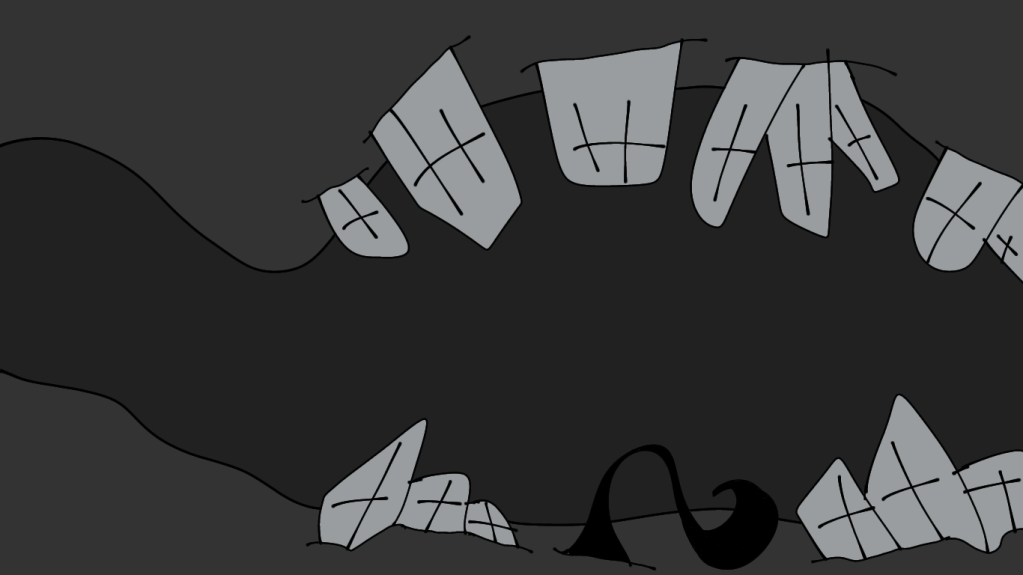
I began by sketching out the new design for the cave entrance before digitising it. Shown below are the sketch and its digitised copy.

Underground Cave

The drawings above were rough designs that were meant to act as foundations for a more thought-out design. After finishing them, I proceeded onto researching cave entrances in more detail.

Crystal Cave Entrance Research

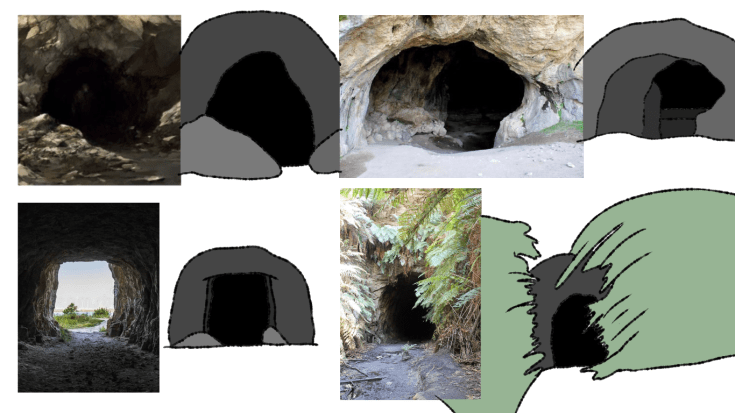
I began researching cave entrances by collating images of differently shaped cave entrances that possessed varying surroundings, e.g. foliage, rocks, etc. I placed the images into one page and began sketching different cave entrance designs using the references as a guide.

Next, using my existing cave entrance design as a foundation, I drew different cave designs that each varied in terms of entrance shape and surroundings as a method of exploring different design ideas.

Crystal Cave Entrance Shape

First, I explored different entrance shapes. Shown below are four caves designs, each with a differently shaped entrance.

Afterwards, I decided to choose the first entrance shape design to carry forward as it seemed to be a good balance between wide and narrow.

Crystal Cave Entrance Entrance Frame

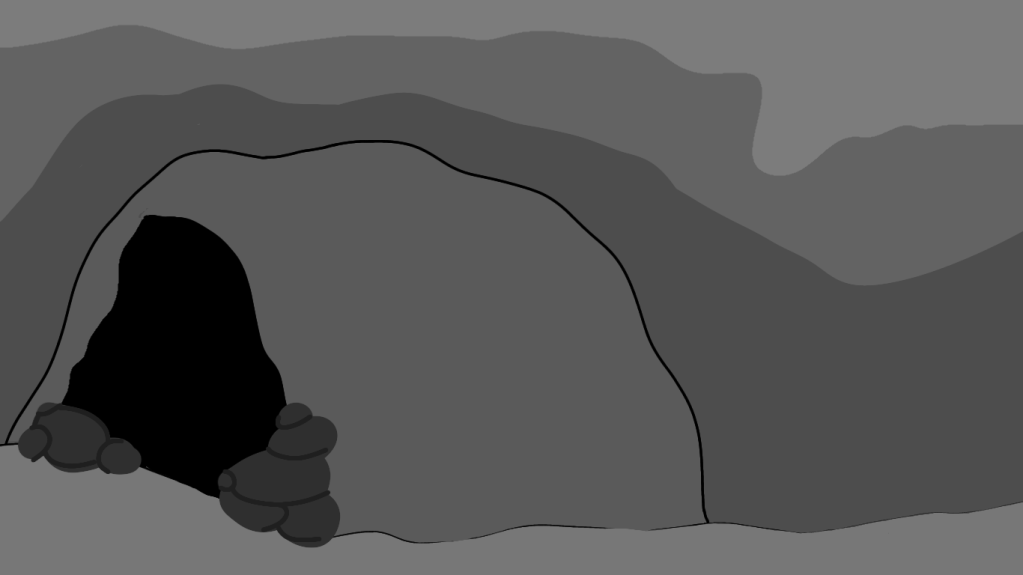
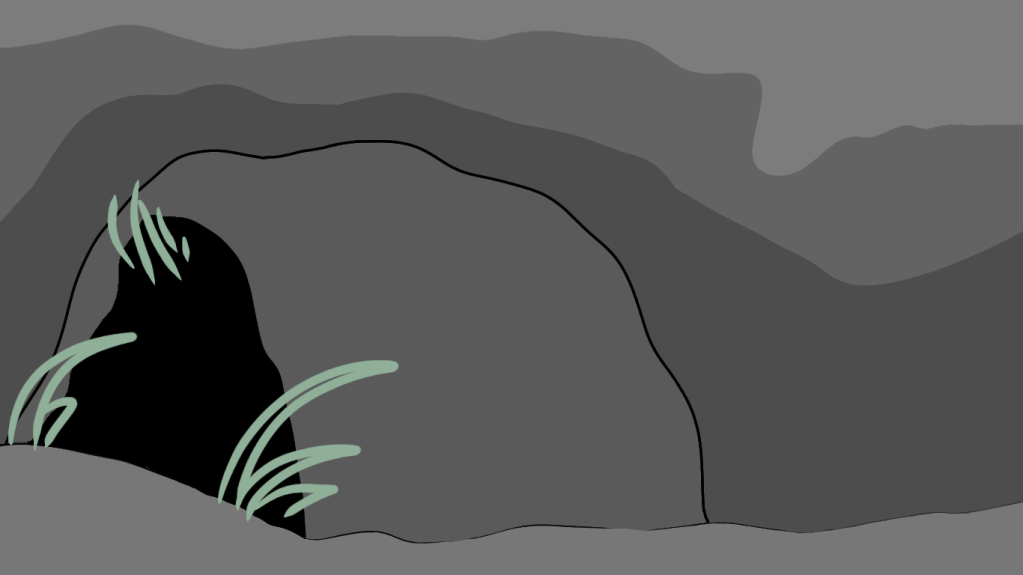
Next, I explored different ways of framing the entrance. I tried using rocks and foliage to frame the entrance. Alternatively, I tried shading the entrance to partially reveal the interior cave walls. Shown below are the designs.

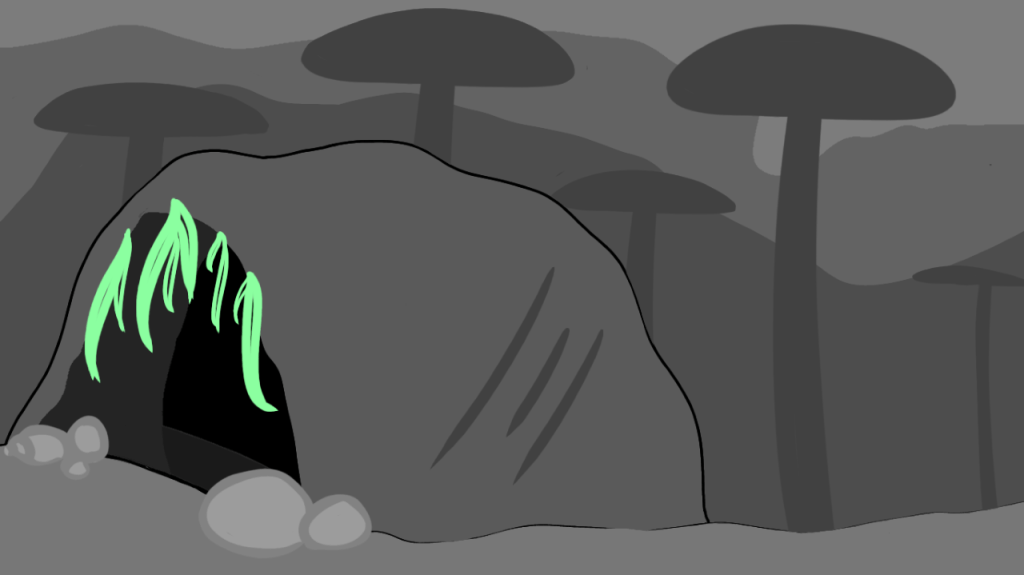
Afterwards, I once again chose a design to carry forward. I decided on the fourth design because I liked the way it revealed parts of the cave’s interior at varying depths. It gives the cave entrance a nice sense of dimension. I also chose to implement the second cave frame design to add a bit of colour to the design. It makes for a more visually interesting cave entrance.

Additionally, I chose to decorate the cave’s exterior with three claw marks in order to incorporate an element of environmental storytelling. The claw marks imply that the tiger was at the cave at some point and attacked it – it could also be the reason behind the crystals dimming.

Shown below is the final cave entrance design.

Final Crystal Cave Entrance Design

Crystal Cave Interior

Crystal Cave Interior Research

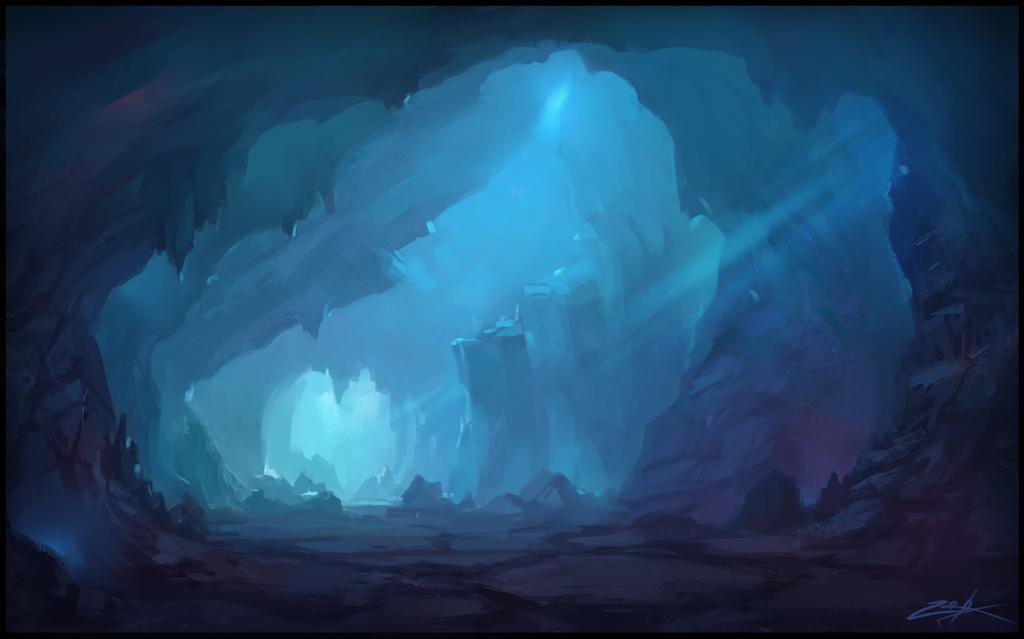
In regards to designing the cave’s interior, I began the process by using references from my ‘crystal cave’ moodboard as inspiration. I looked at different rock formations, cave shapes, crystal placements, etc. Shown below are some of the references I used.

Crystal Cave Interior Shape/Layout

Using the moodboard for inspiration, I began sketching out some designs for the crystal cave’s interior whilst timing myself. I specifically focused on the shape of the cave’s interior and the composition of the crystals. The first sketch took me 15 minutes and the second took me 1 minute.

I used the first sketch to explore different rock formations, layers and accessories that could make it more visually intriguing. Such accessories include flowers, leaves, eyes shrouded in darkness, etc. The different rock formations include boulders/rocky platforms, statues, spikes, etc.

In the second sketch, I just explored different ways of placing the crystals and different cave shapes.

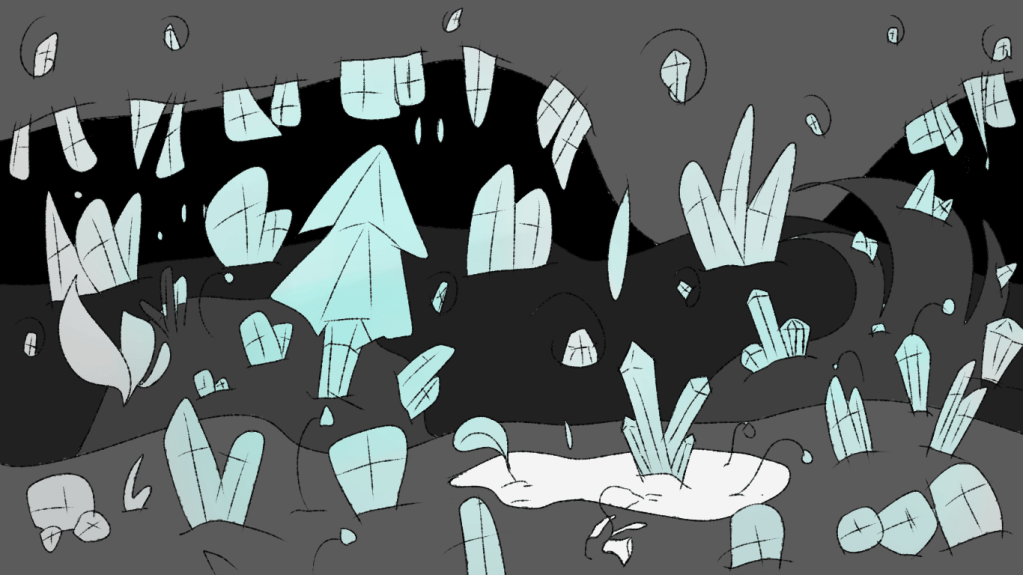
After sketching the designs out, I digitised them so that I could see what they would look like on a digital platform. Shown below are the sketches and their digitised copies.

I decided that I preferred the layered, uneven cave walls from the first design as opposed to the more simplistic shape from the second design. I also liked the idea of including different rock formations and accessories to diversify the crystal cave. Thus, I decided to use the first design as a basis for when I create the final crystal cave design.


Crystals

Crystal Shapes/Formations & Art Styles Research

After researching caves, I moved onto researching crystals. I looked at different types of crystals, different crystal shapes, formations and colours. Shown below are some of the references I collated.

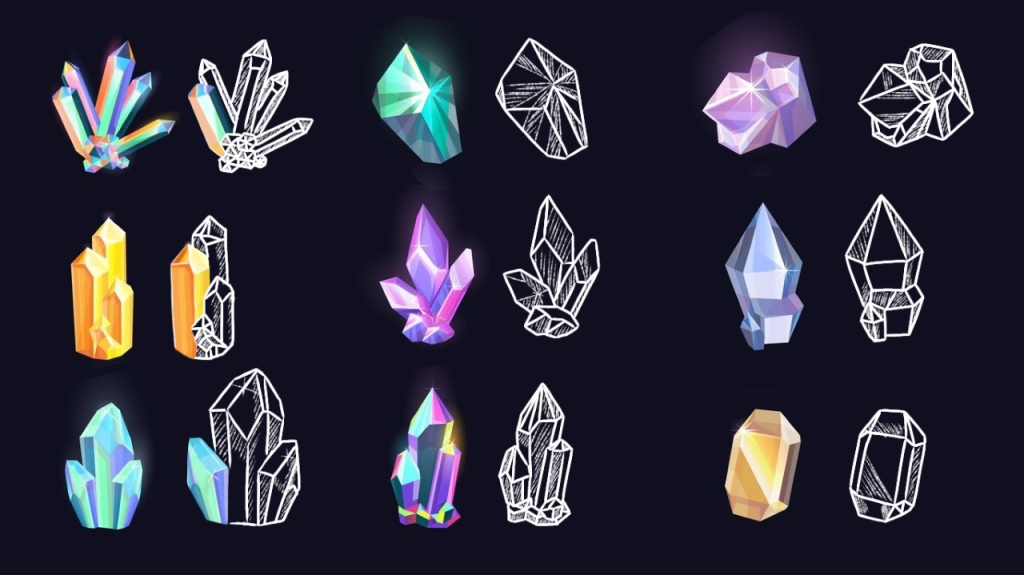
I decided to further explore crystal shapes/formations by using one of the crystal references and sketching out the outlines of the crystals. I chose the third one because I also liked the art style it showcased and wished to try mimicking it as well as sketching the crystals’ shapes. The art style was fairly simple and mostly consisted of block-shading so I thought it was a style that I could feasibly execute within the given time-frame. Shown below is the crystal study I did.

After completing this study, I found that I was correct about the style being easy to mimic. It is mostly block-shading and doesn’t take long to do. However, I was hesitant to choose this art style as style for the crystals since I hadn’t looked at other styles yet. I also wasn’t sure if the style would suit the game.

Crystal Art Styles Research

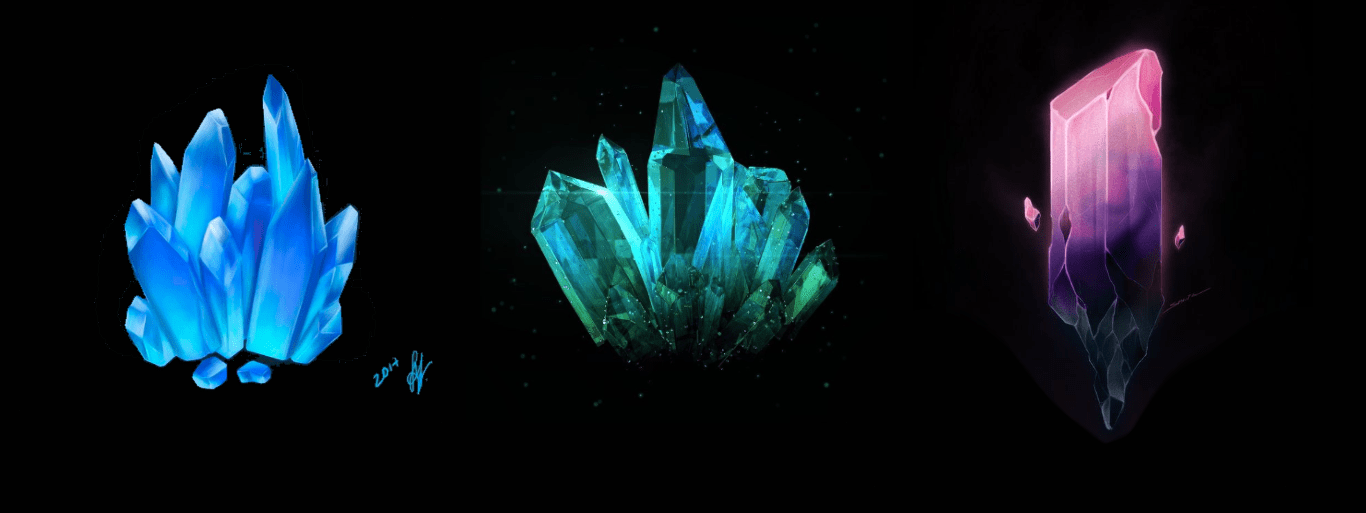
Finally, I decided to research different art styles for crystals. I ended up creating a mini moodboard to showcase three different art styles I particularly liked. Shown below is the moodboard.

The first style was the style I chose in the end since it suited the game environment’s art style the most. It also seemed to be the simplest style to mimic out of the three. The second style seemed to be the least feasible option – it is highly detailed and would be difficult to mimic in a timely manner. It also didn’t complement the game’s art style. Finally, the third style was considered but it was deemed to also be too detailed to suit the game’s style.


Finalising the Crystal Cave Design

After completing the research portion of the task, I proceeded onto finalising the crystal cave’s design. Using the sketch below, I started drawing the final design.

I kept in mind the aspects I wanted to retain from this sketch:
The cave shape
The accessories
The layers
The different rock formations
The varying sizes of the crystals

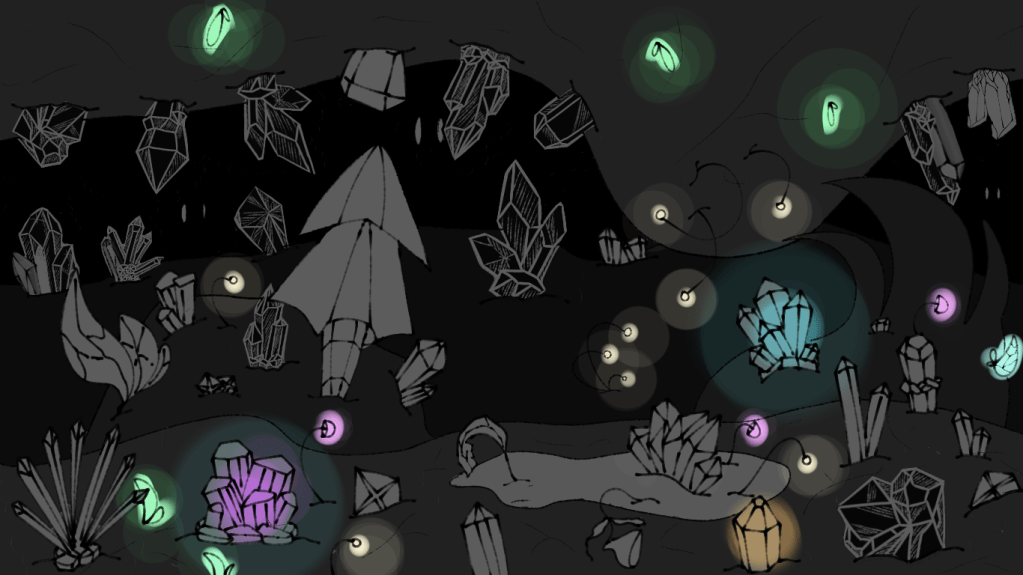
Shown below is the new crystal cave design. I had also decided to incorporate a a small pond as an accessory to make the design more dynamic.

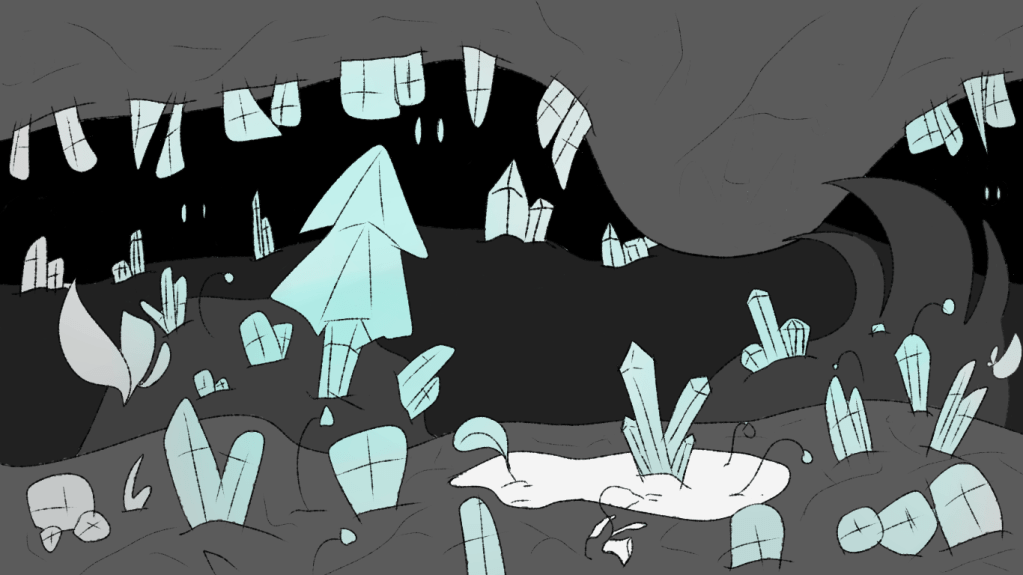
I found that the design had too many crystals and accessories in it – it made the design seem over-saturated with objects. Thus, I edited the design a bit so that there weren’t as many objects. I also decided to scale down some crystals so that they took up less space – this was done to make the cave appear less crowded.

Shown below is the edited version of the design.

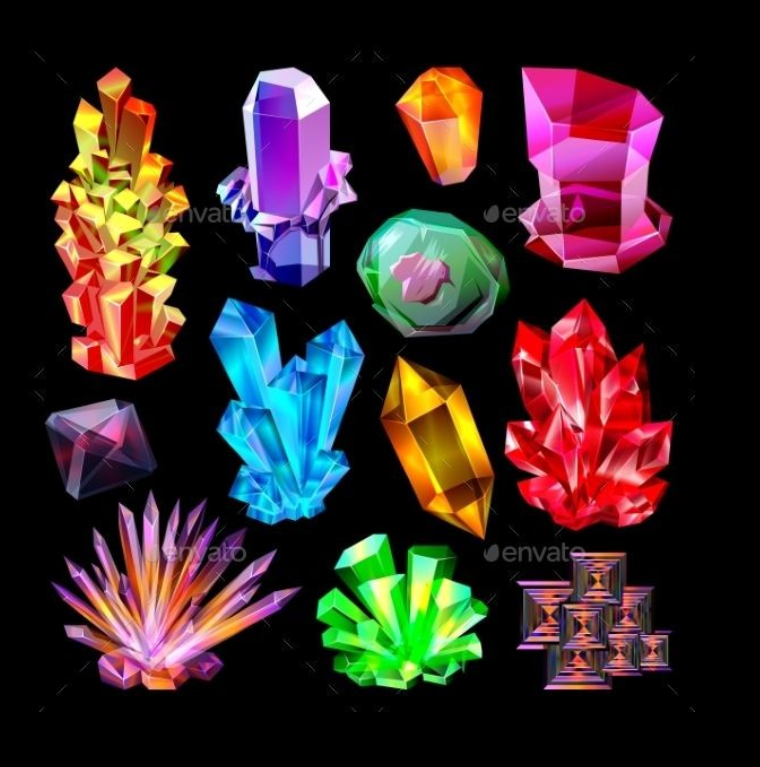
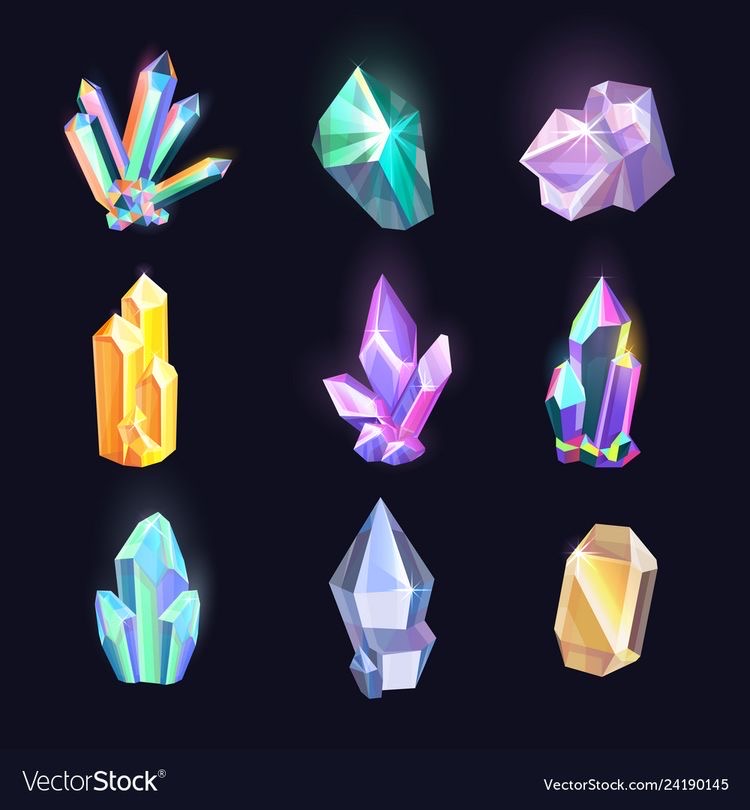
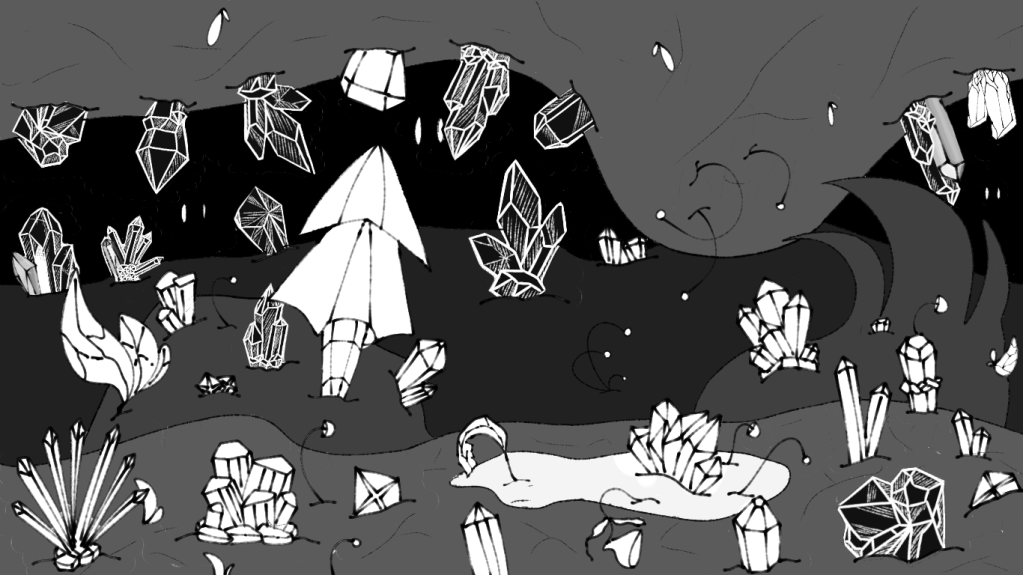
Next, I decided to finalise the crystal designs as the sketch above consisted of some rough designs that were meant to be polished later. I chose to implement some of the crystals in the reference below into the design. I chose this specific reference because I liked the variety of shapes it showcased. After completing a study of the different shapes, I found that I quite liked the types of crystals the reference displayed – they were visually intriguing and easy to draw.

In the end, I managed to incorporate a bit of each crystal type from the reference in the crystal cave design.

I kept some of the crystal designs from the original sketch and finalised them whilst others, I completely replaced with designs from the reference above. I also decided to add some small accessories to the more bare parts of the cave to make them seem less empty.

Shown below is the finalised crystal cave design.

After I had finished finalising the design sketch, I decided to play around a bit with some colours and lighting. I dimmed the whole sketch by placing a black layer (lowered in opacity) over everything. I then placed a layer on top of the black one and created some glows in different colours to the accessories. I also did it to some crystals to test the effect on them. This was done as an experiment on how I could achieve a dim glow on the crystals as I also had to create the crystal cave with dim/flickering crystals.

Shown below is the sketch with the glowing effects in it.

Narrative 2.0

Flies Quest:
The frog is old and has been around since before the rainforest mutated – it is in denial about its own mutated state. It doesn’t want to interact with the new mutated world and so refuses to leave the pond.
The spider doesn’t want to leave its web – its old web was destroyed by the tiger and it is afraid that if it leaves its web, the tiger will destroy it again. It wants the snake scale because it shimmers – pretty things calm the spider down – it brings light into its dark and dreary existence.

Fog Quest:
The wind plant is malnourished and withering due to its lack of exposure to sunlight – it has been residing in the crystal cave. The crystals had previously acted as a source of light for the plant but since they’ve stopped glowing, the plant has been dying.
Fog plants emit small clouds of fog. These fog plants will be scattered throughout the game – they will be shown to be releasing smalls wisps of fog.

Hidden Passage Quest:
There are tiger claws, cracks and small holes in the burrow’s walls – this indicates that the tiger had tried to enter or destroy the burrow previously.
In the burrow, there are bits of shed snake skin – this suggests that a snake used to live there.

Snake Quest:
The snake’s habitat was almost destroyed so it is sleeping elsewhere.
The skunk is hiding because it is scared of the tiger – it is wounded. This implies that it was attacked.

Plant Quest:
The frog knows that the quest is very difficult – it wants to trick the player to mess with them.
When the player completes the quest, the frog reluctantly apologises after feeling a bit guilty about their mean attitude. They are shocked that the player would go through such lengths to obtain the special mushroom for them.

Crystal Quest:
The cave entrance has tiger claw marks on it – this implies that the tiger has been here and damaged the cave
A few crystals are glowing dimly – they slowly fade until they are no longer glowing.
The lotus lantern is in the pond – only its head is showing – it masks itself as a lotus flower.

Interactions 2.0

DIALOGUE
Frog – talk to it, give it things, kill it
Spider – talk to it, give it things, receive things from it

COLLECTABLES – pick them up, give them to creatures, place them down:
Berries
Sticks
Flowers
Lotus Flowers
Lotus Lantern
Normal Mushroom
Poisonous Mushroom
Snake Scale

GENERAL
Waterfall – dip in it/enter it – find items
Reed – wear it
Burrow – enter it, exit it
Wind Plant – pick it up, feed it, place it down
Snake – click on it – it hisses at player
Skunk
click on it without seaweed – it looks at player
bark at it without seaweed – it trembles
click on it wearing seaweed – it freezes looking at player
bark at it wearing seaweed – it emits smell and runs away
Crystals
click on them before quest completion – they flicker
click on them after quest completion – trigger glowing animation

Dialogue 2.0

Frog

Frog Dialogue 1: (triggers when the player either walks past the frog or clicks on the frog)

Frog’s Speech = Bold
Deer’s Speech = Not Bold


Frog Dialogue 2: (triggers when player returns to complete the flies quest)


Frog Dialogue 3: (triggers when player returns to complete the plant quest)


Spider

Spider Dialogue: (triggers when the player interacts with the spider)

Spider’s Speech = Bold
Deer’s Speech = Not Bold

Interactions 1.0

DIALOGUE
Frog – talk to it, give it things, kill it
Spider – talk to it, give it things, receive things from it

COLLECTABLES – pick them up, give them to creatures, place them down:
Berries
Sticks
Flowers
Sakura
Normal Sticks
Eroded Sticks
Lotus Flowers
Lotus Lantern

COLLECTABLES
Turtle Shell – pick it up, give them to creatures, place them down, step on it
Bird – pick it up
Mushrooms – pick them up, give them to creatures, place them down, replant them
Spikes – pick them up, give them to creatures, place them down, fail to take them – triggers animation of cave crumbling

GENERAL
Log – enter it, exit it
Waterfall – dip in it/enter it – find items
Underground waterfall – dip in it/enter it – find items
Seaweed – wear it
Carnivores – click on them – they growl at player
Fallen Trees – eat their bark
Burrow – enter it, exit it
Wind Plant – feed it, lead it, touch it
Underground Entrance – step on it – the plant tilts, enter it, exit it
Snake – click on it – it hisses at player
Skunk
click on it without seaweed – it looks at player
bark at it without seaweed – it trembles
click on it wearing seaweed – it freezes looking at player
bark at it wearing seaweed – it emits smell and runs away
Rhino – click on it – it snorts and releases steam
Bell Flowers – headbutt them
Grave – bow at it
Empty Plot of Land – replant mushrooms on it
Swamp – walk past it – triggers the swamp creature to spit on player, click on it – creature moves a bit and creates air bubbles
Crystals – click on them before quest completion – they flicker, click on them after quest completion – trigger glowing animation

Team Meeting 5: Part One

Previously, we had a brief team meeting with James in which we went over the art bible, quests, narrative and environment layout. James suggested that the art bible should explain the reasons behind the deer’s colour choices and told us to begin thinking about scale in regards to the environment layout. Additionally, he suggested that the quests should have false solutions that lead to certain consequences to make the gameplay more interesting. As a result, we decided to ponder the concept of adding false solutions as well as deciding how main interactions will occur and what the dialogues will be.


False Solutions

We already had false solutions for the plant quest, the crystal cave quest, the fog quest and somewhat for the snake quest (the player barks at the skunk without wearing the seaweed) and the rhino quest (the player plays the tune wrong). Therefore, we felt no need to add in special items to create more false solutions. In each ‘giving’ quest, there is a chance the player will give the wrong item – this can be regarded as a false solution. We had decided early on that we didn’t wish for there to be any player death in the game as we wished for it to be an exploratory game rather than a challenging or frustrating game. As a result, none of the consequences of getting the puzzles wrong are dire.

Interactions

Flies Quest
Player talks to spider
Player gives spider wrong item
Player gives spider right item
Spider gives player flies

Hidden Area Quest
Player can pick up shell – perhaps change the turtle shell to something else? something with multiple purposes? like a leaf? – it could be used as a false solution item for the fog quest

Snake Quest
Interact with snake – it hisses at the player
Interact with the skunk initially – looks at player
Bark at skunk initially – jumps but keeps hiding
Interact with skunk after seaweed – looks at player and freezes
Bark at skunk after seaweed – emits smell and runs away

Fog Quest
Interact with wind plant initially – groans and stomach growls
Feed/give plant wrong thing – spits it out
Interact with plant after quest completion – blows wind at player

Plant Quest
Interact with sakura initially – deer rips one of its petals off
Interact with sakura again – carries it in mouth – player can place it down
Interact with swamp – animation – creature moves & creates air bubbles
Walk past swamp – creature spits goo at player
Interact with waterfall after quest activation – obtain eroded sticks
Player can pick up normal sticks throughout the game
Player can take spikes and replace them with eroded sticks
Player can combine spikes with sakura

Bird Quest
Interact with bird – it flies and lands on deer’s back

Crystal Cave Quest
Interact with crystals initially – they flicker
Interact with crystals after quest completion – glowing animation

Addition – Quest Reward (narrative):
The crystals light up to reveal a crevice in the wall
The deer can go through it to find a dead, mutated creature that looks like it ate the crystals and morphed to be part crystal – this is the reason for the crystals being dim

Rhino Quest
Interact with rhino – it snorts and releases steam in anger
Interact with grave – deer bows before it
Interact with bell flowers – deer headbutts them

Mushroom Farm Quest
Interact with six special mushrooms throughout the game – collect them
Interact with empty plot of land – replant collected mushrooms
Interact with first small animal – tries to eat empty land – it is sad


Afterwards, we decided to categorise the interactive assets by whether they can be collected, talked to or other. The resulting interactive assets table can found in Interactive Assets List 1.0.


Dialogue

We decided that the there would only be two animals the player would need to talk to – the frog and the spider. We initially created the dialogue based on the assumption that there would be no dialogue options for the player as we weren’t sure if it was possible to include them easily in the code. Therefore, we could need to ask Bernardo if he thought it was feasible to add dialogue options to the game – dialogue options would offer the player more freedom in how they can find out more about the characters and the world. However, the concept of possibly having dialogue options in the game didn’t occur to us at the time. It only occurred to me later that day whilst I was writing up the dialogue in a neater format, which spurred me onto creating some dialogue options based on the dialogue we had created during the meeting in case we get an okay from Bernardo in the next meeting.

Whilst discussing dialogue in the meeting, we decided to begin by separating the dialogue into different sections for each animal to make it easier to cover all ground. After creating separating the dialogue into sections, we proceeded to fill in each one with dialogue. Shown below are the different sections accompanied by their respective dialogue.

FROG
Frog dialogue at the start – “Hey! You! I’m hungry over here! Get me some flies! … What? You want something for that? *turns around* I can help you get up there.”
Frog dialogue if player gives wrong item during flies quest – “Do I look like a barbarian who eats just anything lying around?! Humph!”
Frog dialogue if player gives them flies – “Took you long enough.” *slurps* “Oh, you wanted to go up there! Oh, well, I’d need more energy to get up there – specifically the floral kind.”
Frog dialogue if player gives wrong item during plant quest – “Hahaha! Do you think me a fool?!”
Frog dialogue if player gives them the correct fake flower – “Oh…you…did it. Well…thank you, I guess. Come here, now. I’ll get you up there.”
Frog dialogue if the player tries to kill them – “What are you doing? I have friends in high places, you know! … Wait! What about my son!”
Frog dialogue as they’re dying – “Oh no! I’m going to croak!”

SPIDER
Spider dialogue at the first interaction – “Is the tiger gone? The world is so dark and bleak. I wish I had something to cheer me up. Something pretty…”
Spider dialogue if player gives the wrong item – “That’s nice…but…the prettiest things appear in spring.”
Spider dialogue if player gives them the sakura – “Oh! It’s beautiful! Thank you for cheering me up! Here, have these as thanks from me.”

At home, I decided to make dialogue options for the player and created additional dialogue to accommodate these new options – this was made as a potential alternative to the dialogue we created during the meeting. The alternative dialogue can be found in Dialogue 1.0.

Interactive Assets List 2.0

The table below shows the game’s assets and how the player can interact with them. For more details on how the player can interact with these assets, see Interactions 2.0.

Collectables = items the player can pick up
Dialogue = creatures the player can speak to
General = other things the player can interact with (that aren’t collectable or able to be spoken to)
* = the thing that must be triggered before the player can interact with/pick up the item
** = the thing that must be completed before the player can interact with/pick up the item

CollectablesDialogueGeneral
BerriesFrogFrog (kill)
SticksSpiderWaterfall
Poisonous MushroomReed (wear it)
Normal MushroomBurrow (**fog quest)
Snake Scale (**snake quest)Wind Plant
Lotus FlowerSnake
Lotus LanternSkunk
ReedCrystals

Puzzles List 2.0

Main Quests

Flies Quest:
Quest
The frog asks you to get it some flies in exchange for helping the player reach the highest ledge – this is the entrance to the next level

Solution
The player must find the spider and talk to it – it will ask for something pretty – it is too scared to leave its web
The player must complete the snake quest and lure the snake away – the snake will leave behind a snake scale – the player can pick this up
The player must give the spider the snake scale – the spider will then give the player some flies
The player returns to the frog and gives it the flies

Fog Quest/Hidden Area Quest:
Quest
There is a fog obscuring the entrance to the snake burrow – the player must clear the fog

Solution
The player must find the wind plant in the crystal cave – the plant is withering – it is seen weakly eating a berry
The player must pick the plant up and carry it to the foggy area – the player must then place it down on the dirt mound there
The plant will then begin blowing wind
The wind plant clears the fog – this reveals the entrance to a burrow
The player can enter the burrow and find two mushrooms
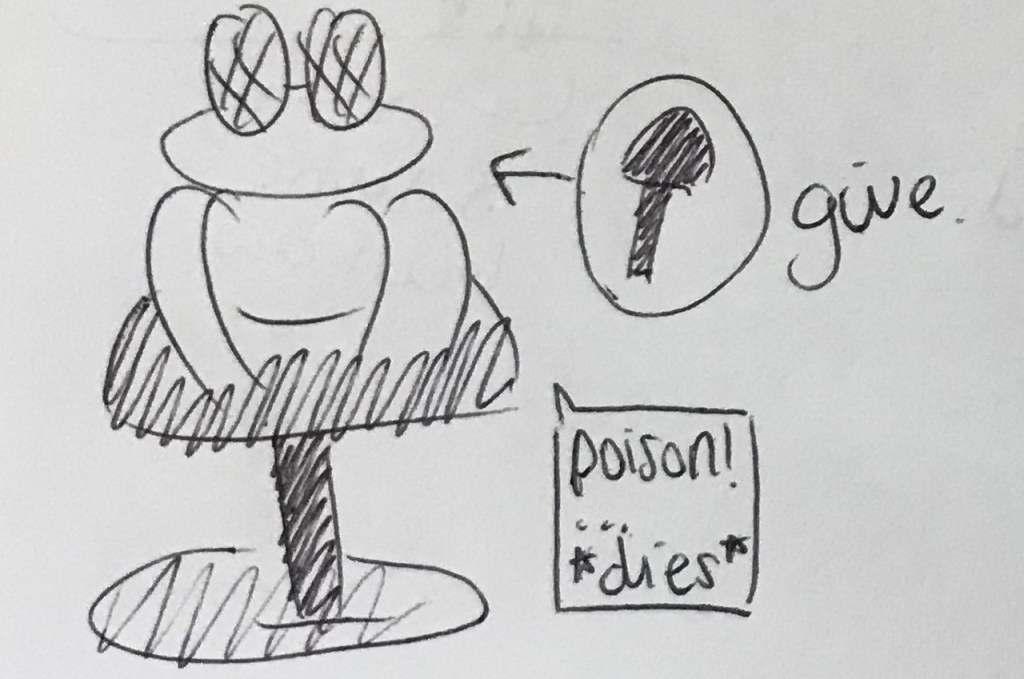
The player can pick up one of the mushrooms – the poisonous one will kill the frog if given to the frog

Snake Quest:
Quest
Snake is blocking the main path – the player must move the snake

Solution
A skunk is hiding nearby – the player must scare the skunk so that its smell can lure the snake away from the path
The player must go to the waterfall and enter the water so that they’re covered in seaweed – this makes the deer look like they have stripes – similar to the tiger
The player must then bark at the skunk – this scares the skunk and the snake is lured away – it leaves behind a snake scale. The player can pick the scale up. The path is now unblocked and the player can proceed onward

Mushroom Quest:
Quest
The frog will pretend to think that the player meant the lower ledge after it gets the flies – it will then ask the player to fetch it a special, one-of-a-kind mushroom

Good Solution
The player must enter the burrow – there they will see two mushrooms – one poisonous and one is the special mushroom – the player can pick one of these up
The player will then return to the frog and give it the special mushroom
The frog will then help the player reach the highest ledge and the player succeeds in befriending the frog – the player moves onto the next level


Bad Solution
The player returns to the frog and gives it the poisonous mushroom
The frog will then die and the player can consume the frog – the player would then mutate
The player can then jump to the highest ledge – the player moves onto the next level


Smaller Quests

Crystal Quest:
Quest
The player finds a crystal cave – most of the crystals are dim – a few are dimly lit and fading – the player must light up the crystals

Solution
The player must find the lotus plant in the lotus pond
The player must then pick it up and place it in the cave – glow flies will come out from the lotus lantern and enter the crystals – an animation sequence of the crystals lighting up will ensue

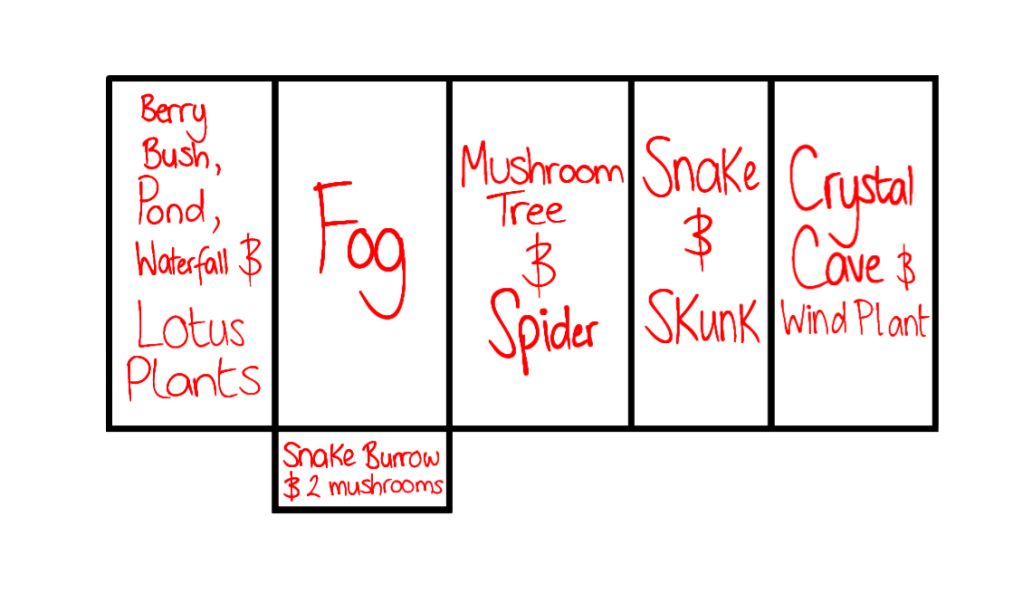
Environment Layout 2.0

The diagram below showcases the new environment layout, which was created during Team Meeting 6.

Once again, the sections are not to scale – the diagram merely displays the order of the items’ appearances. Each section represents its own space – and items that share a section will appear in the same space.

Blog at WordPress.com.

Up ↑

Design a site like this with WordPress.com
Get started